
Giving Societies
Celebrate generosity and strengthen community
College of the Atlantic’s giving societies recognize individuals whose generosity shapes the future of the college. Whether through major gifts, monthly support, alumni leadership, or legacy planning, these donors are essential to sustaining our mission. Learn about each society below—and how you can become part of our donor community. Membership period: July 1 – June 30 (fiscal year).
The Champlain Society
The Champlain Society recognizes College of the Atlantic’s most generous donors, whose leadership-level support is essential to advancing the College’s mission.
- President’s Circle – $25,000+
- Founder – $10,000–$24,999
- Pathfinder – $5,000–$9,999
- Discoverer – $2,500–$4,999
- Invitations to premier summer events:
- Cocktail receptions
- Boat trips to Great Duck Island & Mount Desert Rock
- Private excursions with faculty and COA leadership
- Cocktail receptions
- Early registration and preferred seating at the Summer Institute and other events
- Recognition in print publications and online donor lists
- Subscription to COA Magazine
- Special college announcements and updates
- President’s Circle only: Invitation to the annual summer President’s Dinner
Alumni Leadership Circle
The Alumni Leadership Circle celebrates COA alumni who give $500 or more annually, honoring their enduring commitment to the college and the next generation of students. Member benefits include invitations to special events, including the annual faculty lecture.
Black Fly Society
Named after COA’s scrappy and enduring mascot, the Black Fly Society honors donors who make recurring gifts—monthly, quarterly, or annually. This eco-friendly, automated approach makes giving easy and impactful.
Northern Lights Society
The Northern Lights Society recognizes individuals who make planned gifts to COA, ensuring their support continues beyond their lifetime. These legacy gifts preserve COA’s mission for generations to come.
Giving is easier than ever
All giving society contributions can be made securely online using PayPal, Venmo, or credit card.
Give online now
Need help? Contact [email protected] or call 207-801-5620
Want to check if your employer matches gifts? Search here
For a list of all the ways to support COA, please visit this page.
Donor Profiles

Caitlyn Harvey ’02
To me it’s one of the biggest advantages of the school: the swath of students that get accepted and go to COA and the incredible diversity of students in a small area. That kind of diversity is so important and I want to see that continue.
Caitlyn Harvey ’02 knows a thing or two about trailblazing. Since leaving COA, Harvey has distinguished herself as a leader in the highly interdisciplinary fields of biotech and biopharma. Over the past 19+ years, she has worked with some half-a-dozen start ups and research teams to bring cutting-edge therapeutic technologies from experimental modality to FDA-approved reality.
Harvey found her niche by pushing boundaries to create solutions: “I’m always looking for the new and innovative, the path that hasn’t been blazed through the FDA yet.” Today, she is vice president of manufacturing and process development at Stealth Co Biotech. “I’m the keystone between the clinical and non-clinical stakeholders,” she says. Her task is to ensure pivotal therapies reach patients in a timely and cost-effective manner by bridging the academic, clinical, and commercial spheres.
The connection between her professional success and her time at COA is clear, if non-linear. “At COA, my focus was on island biogeography and entomology, so it’s not exactly applicable to what I’m doing now,” Harvey reflects, with a laugh. “I worked with Chris [Petersen] and Helen [Hess], John Anderson, Scott Swann. I did lots of independent studies and was a TA for Anne Kozak for technical writing. You’re working with all of these very pragmatic people, so even though you’re looking back and studying the ways these fields have progressed, there’s still an emphasis on What does that mean? Can you condense this?” This solutions-based approach is fundamental to the work she does today:“That pragmatism completely permeated my professional career and contributed to much of my success.”
It wasn’t just the sciences that shaped her approach to tackling new problems head-on. She recalls performing with John Cooper: “Composer Henry Mollicone wrote a cantata for COA based on the writings of Rachel Carson. I had to sing that in front of the whole community—it was a little stressful!” Moments like these defined her time at COA. When confronted with a challenge, Harvey says, she was encouraged to lean in and give it her best shot. “The professors at COA made failing okay. They taught me that failure isn’t a negative, but instead is the point at which you pivot and iterate. Think harder, think better. Think differently. That’s still the way I operate.”
The emphasis on independent thinking and “forging your own path,” Harvey contends, is the value of a COA education. “COA is unlike any other college or university that I have worked with professionally, which says something for it being such a small, unique school. We’re able to go out into the world and hold our own against people from Stanford, Harvard, MIT.”
As a donor, she hopes her gifts to the college will ensure that COA can remain one of a kind. A key part of this mission, she believes, is the diversity of the student body. “To me it’s one of the biggest advantages of the school: the swath of students that get accepted and go to COA and the incredible diversity of students in a small area,” Harvey says. “That kind of diversity is so important. I want to see that continue.”

Cookie & Bill Horner
We have found the faculty, staff, and board of trustees to be deeply engaged and invested in the student experience, in the COA mission, and in the future of the college. And as the college continues to grow and evolve, it’s an exciting and sound investment.
We first came to know of the college as something of a 1970s idealistic experiment. Our perception evolved gradually over the years as we met and began interacting with members of the community teaching there—architect Roc Caivano, ecologist Bill Drury, writer Bill Carpenter, and lawyer Dan Kane. There was a reason these thoughtful, committed people were drawn to this place. The emphasis on human ecology and the environment. The work with whales. The seriousness of purpose. The spirit of inquiry. Still, we weren’t initially deeply invested.
That changed when Cookie’s daughter Jen [Jennifer Judd-McGee (’92)] enrolled. Watching what she gained from her education transformed our understanding. She found her voice. She discovered and deepened her passion for art and for civil rights, and the college nurtured both. It gave her confidence and clarity. It helped her become who she is today. We believe that experience is not unique to her; it happens to many students who pass through this remarkable institution.
Over time, we have also come to see how so many COA graduates have stayed here on Mount Desert Island after graduation and how they have enriched our island community and the state—intellectually, culturally, and economically. They are teachers in local schools, faculty and staff at COA, Acadia National Park employees, leaders of local nonprofits, restaurant and shop owners, artists, musicians, and more. It is hard to imagine the area without them.
From Bill’s perspective, having grown up here, he thought the idea of the college was a long shot. But, he says, “the value the college adds to the MDI community is immeasurable. The COA Summer Institute, for example, is a fantastic addition to all the college has to offer. We love the intellectual vitality it offers and the meaningful conversations it fosters.”
Cookie’s time as a trustee has been deeply meaningful and has only strengthened our commitment to COA. She says, “We have found the faculty, staff, and board of trustees to be deeply engaged and invested in the student experience, in the COA mission, and in the future of the college. And as the college continues to grow and evolve, it’s an exciting and sound investment.”

Elizabeth Anne ’11
I joined the Black Fly Society because I need a monthly reminder that Take-A-Break is not a figment of my imagination, but I also donate so that I can aid COA in bringing the experiences I had to future students.
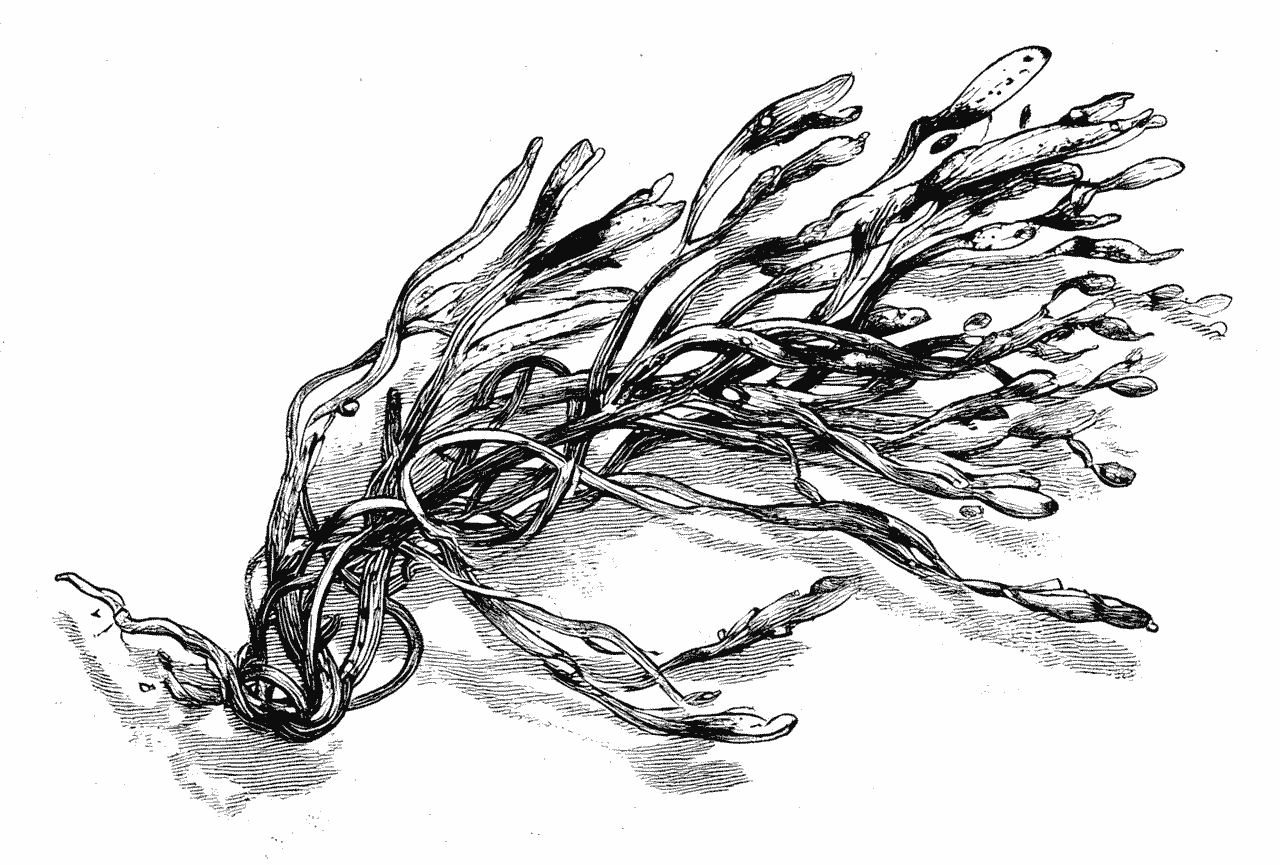
On the 25th of every month I receive a text-message notification from my bank that reminds me that I used to live by the ocean. I pause in the memory of snow and the taste of it with maple syrup. I recall the first time I saw contra dancing, joined picnics on mountainsides, and smelled freshly exposed seaweed. I relish the few short years I lived in a place where my professors cared about my theories, my peers were dynamic innovators, and I didn’t have to worry about venomous snakes. I am a member of the Black Fly Society which allows me to seamlessly give a monthly paperless donation to COA. Although my donation is small in the grand scheme of things, it impacts the alumni donor percentage just the same.
I joined the Black Fly Society because I need a monthly reminder that Take-A-Break is not a figment of my imagination, but I also donate so that I can aid COA in bringing the experiences I had to future students.
Plus, I got a really cool sticker.
Elizabeth Rousek Ayers ’95
It makes you think, what can I do now and what can I potentially leave behind? It doesn’t have to be a grand amount—whether it’s $1,000 or $10,000, it shows you believe in COA.
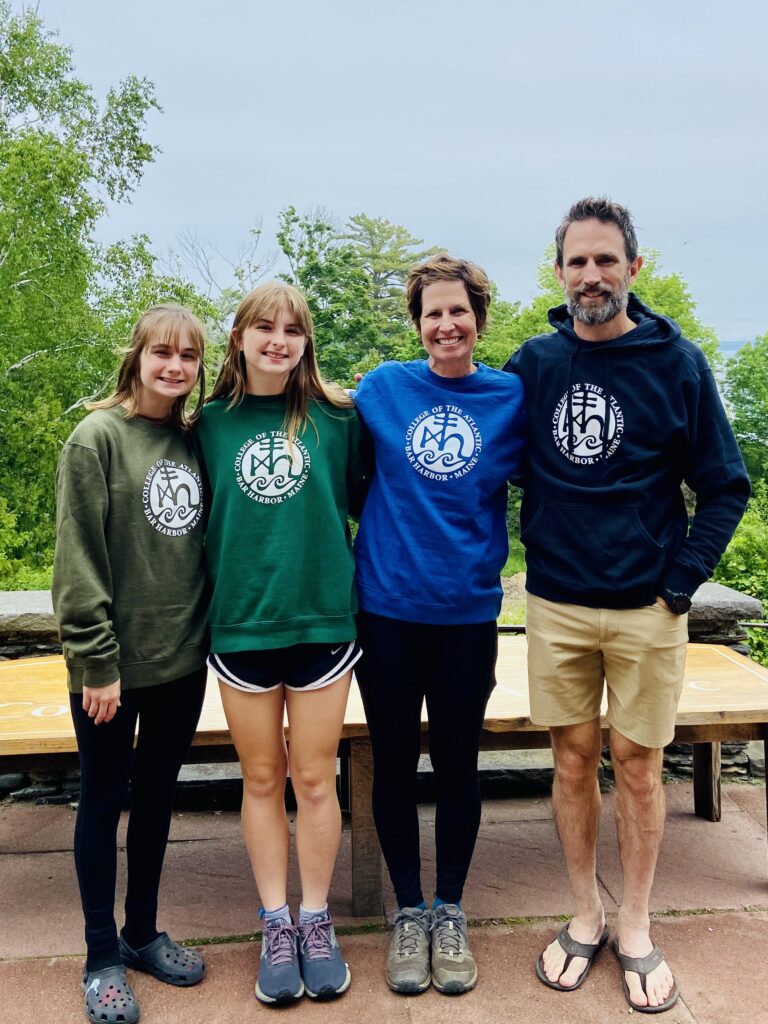
A self-professed army brat, Elizabeth Rousek Ayers ’95 moved around a lot as a child, in both the United States and Germany. As a result, she craved stability.
“I wanted to be a part of something, and I found that sense of community at College of the Atlantic,” she says. “I loved my OOPS trip—a sea kayaking trip led by Ander Thebaud and Dianne Clendaniel. I loved the food at Take-A-Break and Bar Harbor in the winter—the walks back and forth to campus, walking my dog in the park, and feeling safe and comfortable all the time.”
Elizabeth recently named COA in her will. “COA is such a piece of my heart and soul, and I believe in the mission wholeheartedly,” she says. She and her husband Matt Ayers asked a friend of theirs who practices law to draft their will. “I feel like creating a will is a good opportunity to reflect on your priorities. My dad died unexpectedly when he was 50. Life can be so short. It makes you think, what can I do now and what can I potentially leave behind? It doesn’t have to be a grand amount—whether it’s $1,000 or $10,000, it shows you believe in COA.”
Elizabeth says she takes the interconnectedness of human ecology with her in everything she does now. “It can be an inconvenient world when everything isn’t black and white—but this is the completely messy, interesting world that I discovered at COA.”
Elizabeth studied alternative agriculture and botany at COA, which prepared her to work with the Royal Horticultural Society in England and for private estates in Maine, Connecticut, and Pennsylvania. She earned a master’s degree at the Conway School of Landscape Design in 2001, but didn’t want to spend her life “drawing circles and figuring out parking for people,” so she continued her career as an estate gardener with the additional skill set of design. This allows her to keep her hands dirty and offers the flexibility of working part time so she can spend more time with her family.
Good news for COA: both of her daughters, Ava (16) and Lucy (13), are considering attending the college. “I appreciated the opportunity I had at COA, so I want to get them there,” she says.
Elizabeth visits campus every other year and appreciates the new dorms and classroom space. She stays in touch with former classmates, enjoys receiving COA’s alumni newsletter, The Peregrine, and follows COA on social media. “It’s hard to be competitive in education, but I feel that COA has risen to the challenge of staying relevant.”
Greg Kohlert ’96
I am a member of the Black Fly Society because I feel indebted to COA. COA is a special place, and it is important that COA remains an option for students.
I applied to College of the Atlantic as a transfer student after an experience at a big university failed to engage me and I found myself struggling in school. At that point in my life I needed someone to give me a chance, and COA took an interest in me and gave me that chance. Once I was on campus I found an intellectual and academic culture that was tremendously inspiring. The work was hard and it gave me a deep sense of satisfaction. I found great joy in both the work and in my friendships. It was a wonderful time to learn and grow, and I can never thank COA enough for that.
My career has been in education, first as a teacher and most recently as a headmaster, always serving kids with learning differences. Our culture at the school, our attitude toward teaching, is that we don’t give up on kids. While I can’t draw an absolute line from my time at COA to this culture of work, I can’t ignore the similarity either. I have always appreciated the opportunities COA gave me, and I believed it was my job to do the same as a teacher and school head. COA was also the first place in my young life where the arts and sciences were studied together. Their interconnectedness impressed me, and that helped me further my skills in each. In my work in education, we fuse the clinical and diagnostic science of understanding cognition and learning with the art of great teaching. The roots of that work run directly back to what I learned at COA.
I am a member of the Black Fly Society because I feel indebted to COA. COA is a special place, and it is important that COA remains an option for students. I am also a member because alumni support makes a positive impression on outside donors and prospective students, and regular donation allows the administration greater freedom in planning. I encourage every frequent donor who continues to care about the COA mission to join the Black Fly Society.

Henry L.P. “Hank” Schmelzer
There is a simple reason we have included COA in our wills: COA is an incredible college! COA students, faculty, and staff are dedicated to making human ecology the
key to a better world.
There is a simple reason we have included COA in our wills: COA is an incredible
college! COA students, faculty, and staff are dedicated to making human ecology the
key to a better world. It strives to be the best and the most innovative in creating
academic programs which are responsive to the world’s needs. That’s how it has
repeatedly earned the ranking of the Number One Green College in The Princeton
Review. That’s why its whale research is recognized around the world. That’s why it has
such a diverse international student enrollment. We believe in COA’s vision and
values. We have lived on Mount Desert Island for over 25 years, and COA has been a source
intellectual inspiration and community enrichment. We count among our best friends
those we’ve met through COA, including the international students for whom we’ve
been a host family. By making a testimonial gift to the College, we can support COA’s
long-time goal to be “life changing, world changing”.

Jay McNally ’84
As a college that has very deep intellectual roots, it’s important to make sure that the education at COA never becomes superficial, that we continue to question everything, that we continue to examine the world in deep detail, and that we continue to look for connections in disparate areas….The McNally Family Chair is one of the things that will allow us to do that in perpetuity.
A College of the Atlantic alum who was one of the driving forces behind the technology that helped expose the biggest corporate securities fraud of the 21st century is behind the creation of a new academic chair in philosophy at College of the Atlantic.
Jay McNally ’84, whose data analytics software played a key role in uncovering important details of the notorious Enron scandal, said that endowing The McNally Family Chair in Human Ecology and Philosophy is one way of making sure that current and future COA students are exposed to many of the same ideas that influenced the early years of the college.
“Important elements of the COA curriculum, like trans-disciplinarity, self-directedness, or experientiality, there are philosophical issues that are tied to that, and those issues have greatly influenced my life and career. I have felt unconstrained,” McNally said. “I was encouraged at COA to question and analyze and be responsible with my activities, but to explore the territory and make the connections that were important to me.”
Philosophy and ethics, McNally said, underpin science, business, and culture. This vital, interdisciplinary role makes this area of study especially important to COA students as they navigate their self-designed academic paths, he said.
“Philosophy is one of the mirrors that helps let us know who we are. In a way it’s also a compass that tells us where we are going. It tells us what the nature of the world is, and in a certain way keeps us honest,” McNally said. “Understanding ethics and morality is a key way that we, as individuals or as cultures, can make determinations on why we do the things we do.”
Heather Lakey ’00, MPhil ’05 is the inaugural holder of the McNally Family Chair. As an undergraduate and graduate student at COA, through a second master’s degree at University of Oregon and the doctoral program at University of Maine, Lakey deeply understands the importance of philosophy to an interdisciplinary education.
“Because human ecology studies the relationships between human beings and their natural, cultural, and constructed environments, it is imperative that we think carefully about these concepts and their complex interrelationships. What do we mean by human? What distinguishes a natural environment from a cultural or constructed one? Philosophy provides intellectual resources to productively engage these questions and to imagine new ways to theorize these relationships,” Lakey said. “It is an honor to be appointed to this position and I am grateful to the McNally family for enshrining philosophy as a core part of COA’s curriculum.”
Studies in philosophy and ethics drove McNally’s success with Ibis Consulting, his pioneering electronic discovery firm that worked on the Enron case, he said, and his self-directed COA education continues to influence his interactions with the professional world.
“There are always ways to push the direction of an investigation rather than follow the evidence, but the idea of morality and ethics and the ability to look at yourself in the mirror and know that you were an honest and truthful broker is one of the reasons I became popular among influential people to handle these things,” he said. “Conducting complex legal investigations required the ability to talk to a lot of people from very different perspectives, including law, technology, and business. At COA I learned how to learn, and I learned how to work with other people.”
The McNally Family Chair is established in honor of the graduation of McNally’s daughters, Rose Besen-McNally ’19 and Lily Besen-McNally ’20, from COA. Rose is currently a graduate student at University of Maine, and Lily is enrolled in a graduate program at Maine College of Art.
Jay McNally served the college as a trustee from 2002 to 2025. He previously helped create, endow, and instruct in COA’s sustainable business program, helped fund a chair position in the humanities, and founded the Russo Scholarship, in honor of his grandparents, Rose and Michael Russo.
“As a college that has very deep intellectual roots, it’s important to make sure that the education at COA never becomes superficial, that we continue to question everything, that we continue to examine the world in deep detail, and that we continue to look for connections in disparate areas,” he said. “The McNally Family Chair is one of the things that will allow us to do that in perpetuity.”

Kelly Dickson MPhil ’97
I feel it is important to give during your lifetime and to leave something behind for later as well to ensure this institution is here for the next generation.
I loved my time at COA. I came here for the MPhil program and studied Resource Sensitive Tourism in cooperation with Friends of Acadia and Acadia National Park. I was challenged mentally and loved the spirit of the place. One of the things that really stood out for me was how students are encouraged to perceive all sides of an issue — choices are not black or white but many shades of gray — and various outcomes might be had from each. Which choices are the best for the people of this community vs the economy vs the environment? I feel like a good liberal arts education will broaden your perspective. COA achieves this in spades through its holistic, human-ecological lens.
Like many students, I received financial aid while attending COA. After graduation, I decided that I wanted to pay it all back if I could manage it. I have served in volunteer leadership roles at the college and I joined the Alumni Leadership Circle and the Northern Lights Society. I feel it is important to give during your lifetime and to leave something behind for later as well to ensure this institution is here for the next generation.
Leslie Jones ’91
I give to stay connected. I give to express my appreciation. I give to signal my belief that COA is on the right course. I give to lead in hope that others will follow. I give because COA is part of my family and part of my life experience and these days community—of all kinds—is more important than ever.
When did you start giving back to COA? Why?
I used to think that giving financially was something you only started thinking about later in life. I’m so glad that mentors — younger and older — taught me that giving at all stages of your life is meaningful. The amounts you can give may change over time, but the power of giving, and the benefits, are there always.
What field were you interested in when you attended COA?
What was I not interested in?! Well, I could never get super excited about math, but I blame that on an ill-suited high school geometry teacher. I dabbled in architecture and landscape design, land use planning, lots of policy and pre-law with Ken Cline, economics with John Buell. I even spent a semester doing Whales-on-Wheels presentations at island schools.
What field did you end up working in?
I followed the path of pre-law and went to Vermont Law School, which has the #1 environmental law program in the country. I practiced for several years, then merged into a General Counsel role at The Wilderness Society. I recently left the Obama Administration as Deputy Under Secretary for the Forest Service at USDA where I focused on forestry and agriculture policy including leading the teams on five new National Monument designations.
How did your experiences at COA affect the work you did after COA?
COA is full of people who are committed to influencing their world. If you are part of COA you are not content to just ride through life; you want to shape, influence, and encourage. COA helps direct and refine that passion and desire by exposure to critical thinking and by challenging you to be practical on the one hand and visionary on the other hand. Sure, there is a lot of idealism at COA, but with the focus on internships, senior projects, and opportunities to get out into “the real world,” that idealism manifests not as naiveté but as grounded, ambitious experience.
Why do you continue to give to COA every year?
I give to stay connected. I give to express my appreciation. I give to signal my belief that COA is on the right course. I give to lead in hope that others will follow. I give because COA is part of my family and part of my life experience and these days community—of all kinds—is more important than ever.
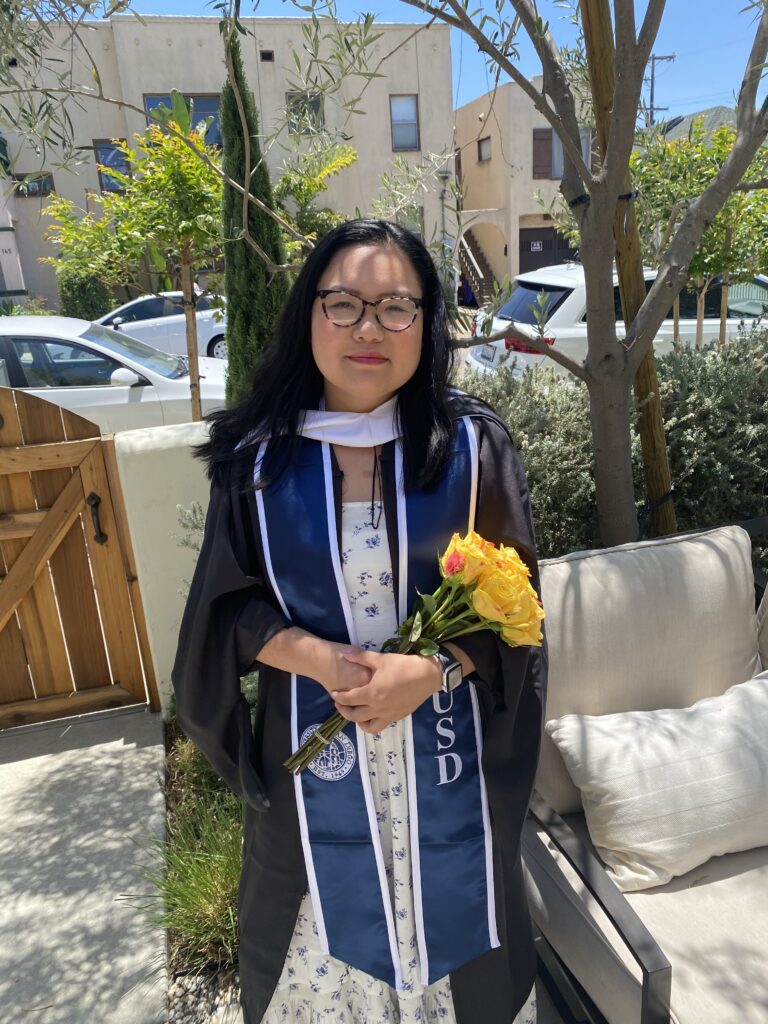
Mari Thiersch ’17
Helping others gain the opportunity to experience what I have is the ultimate goal, and since education is my passion, giving back to the educational institutions that have shaped me feels the most natural.
At COA, I had ownership of my education. I was able to tailor my learning to my needs and interests while also earning my teaching credentials. I gave my first gift during one of the 24-Hour Challenge giving campaigns when I was still a student. I wanted to improve the college and help it spread the philosophy of human ecology to more people. Helping others gain the opportunity to experience what I have is the ultimate goal, and since education is my passion, giving back to the educational institutions that have shaped me feels the most natural. Joining the Black Fly Society was so easy, and, after working with another nonprofit, I know that the predictability of recurring payments is incredibly important for organizations like COA.
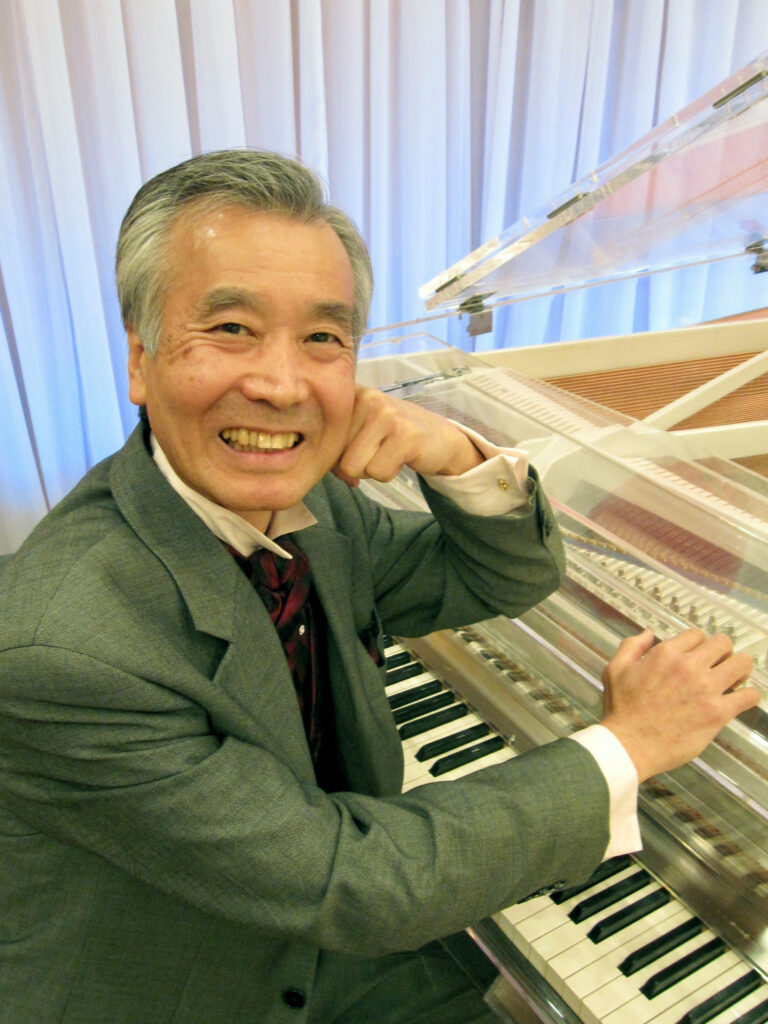
Masanobu Ikemiya
Everything COA stands for and everything COA is doing is what we believe in. That’s why I have chosen to leave a planned gift to COA. COA is putting what we believe into practice by teaching the students to create a better future for the world.
I have been intrinsically involved with College of the Atlantic since the early 1970s. I met COA co-founder Father Jim Gower soon after I moved here and he invited me to various peace movement gatherings on the Village Green, especially the anniversary of the Hiroshima atomic bomb attack. Shortly thereafter, I started the Arcady Music Festival and COA staff and faculty members Susan Lerner, John Cooper, and Gray Cox served on the board.
Arcady played at COA many times over many years. My wife Tomoko and I got to know the students and the people who work there. We share the same values the college espouses. Really, our community has been indistinguishable from the COA community—like family really. We have become close to COA students, especially acting as mentors for the Japanese students, meeting their families when they come to visit.
Everything COA stands for and everything COA is doing is what we believe in. That’s why I have chosen to leave a planned gift to COA. COA is putting what we believe into practice by teaching the students to create a better future for the world.
Masanobu Ikemiya is an award-winning pianist, artistic director, and peace activist who lives in Bar Harbor. In 1980, he founded the Arcady Music Festival, for which he was artistic director for 24 years.

Matt Shaw ’11
I give to COA because it’s the place that taught me that art is as important as politics and environmental stewardship—that art opens us to a way of being in the world few other things can.
I give to COA because it’s the place that taught me that art is as important as politics and environmental stewardship—that art opens us to a way of being in the world few other things can. Simultaneously, I learned the importance of dialogue between fields of research. COA is unique in its ability to offer this model of education because of its small size and remote location. The human ecology of my degree came in utilizing my peers and the mentors I found on faculty and staff. They were beacons in navigating my own work and continue to be. I give back what I can to make sure these experiences are possible for students for many years to come.
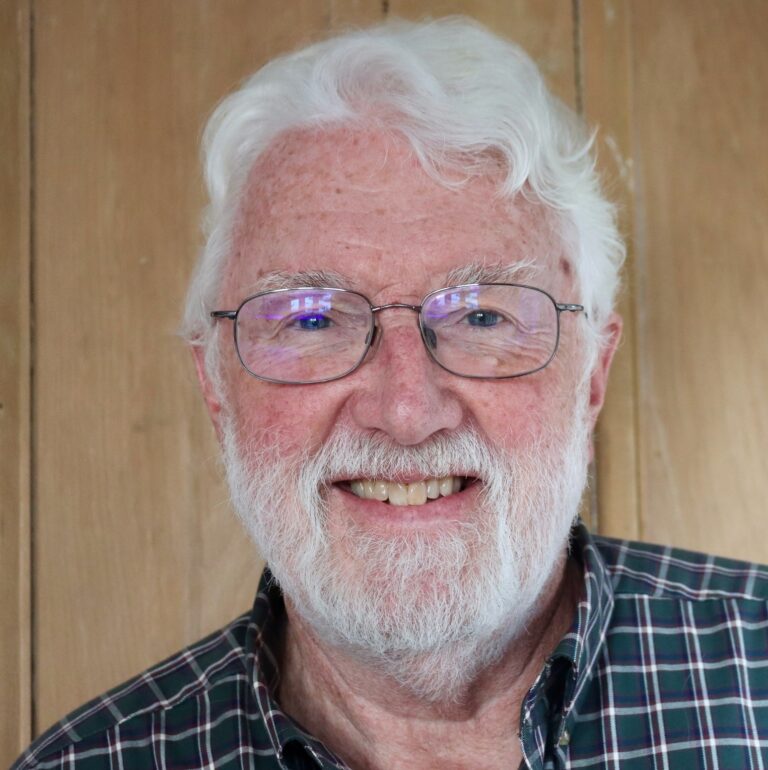
Ron Beard
Including COA in my will aligns with the values I try to live day to day. I intend my small contribution to flow with the contribution of others, helping these experiments continue.
In the early 1970’s Ron Beard invited founding COA President Ed Kaelber to speak at UMaine, and invited Ed and his wife to dinner with President Win Libby and his wife. Ron served spaghetti!
Over the decades, Ron has been an integral part of the COA community, leading Outdoor Orientation Program (OOPs) trips on the Allagash river with Ted Kauffman for 30 years, teaching a wide range of community development courses, and serving as a COA trustee for the past 20 years, much of that as the secretary of the board. And it has been a family affair as Ron’s daughter Alana, whose mom is former registrar Judy Allen, graduated from COA in 2003.
“It is rare and satisfying to be able to engage with the good people of a good institution over most of a lifetime. So many different ways to be involved, so many meaningful relationships, supporting so many experiments in how humans engage meaningfully with the world around them. I have also watched the vision of the founders—Les Brewer, Father Jim Gower, and Ed Kaelber—become reality, with COA contributing in significant ways to the community life and the economy of Mount Desert Island and the surrounding area.”
“Including COA in my will aligns with the values I try to live day to day. I intend my small contribution to flow with the contribution of others, helping these experiments continue.”

Rosanne Mason
“COA changes lives, and I want to help make sure it can keep doing that.”
“COA changes lives,” current parent Rosanne Mason says simply. “I see it in my daughter.”
Rosanne lives in Colorado, and when her daughter Ruth (class of ’29) began looking at colleges, neighbors who often spend time in Northeast Harbor, on Mount Desert Island, encouraged her to consider College of the Atlantic. They described it as a special place for unique students. After visiting, Rosanne understood exactly what they meant.
That visit coincided with the creation of Road Line, an installation by renowned environmental artist Andy Goldsworthy. Goldsworthy’s sinuous wave of granite—constructed from traditional curbstones—winds 1,500 feet across the COA campus, bending away from the traditional straight curb and echoing the unique, non-linear paths that students chart at COA. Road Line is Goldsworthy’s first permanent installation in the State of Maine.
Rosanne and Ruth had long admired Goldsworthy’s work through the documentary Rivers and Tides. Seeing his lyrical art on campus felt serendipitous. “Mom, it’s Andy from Rivers and Tides,” Ruth said. For Rosanne, it felt like confirmation: This was a place where art, science, landscape, and learning were inseparable.
Rosanne has been particularly struck by the physical and intellectual environment COA provides. Touring the Davis Center for Human Ecology—flooded with light and framed by an expansive, ocean-facing window—she contrasted it with her own chemistry lab “in a dark basement.” The message, she felt, was clear: COA is investing in how students learn. “They’re doing something right,” she says.
Since enrolling, Ruth has immersed herself in COA’s hands-on, place-based approach to learning. She is drawn to human ecology, environmental field studies, and social justice. She also loves theater and the opportunities at COA to perform and collaborate. She kayaked the Maine coast during her Outdoor Orientation Program trip and quickly found a close circle of friends who share her energy and intellectual curiosity. At home in Colorado, Rosanne read the Human Ecology Core Course book, The Avian Hourglass, alongside her daughter, staying connected to the questions shaping Ruth’s education.
That confidence extends to COA’s leadership. She speaks of her trust in the College’s direction and in President Sylvia Torti’s leadership—transparent, thoughtful, and values-driven. During a recent conversation with our advancement team, Rosanne asked a straightforward question: “What type of gift does COA most need?” When she learned that unrestricted support provides essential flexibility, she did not hesitate.
Her philanthropy reflects both trust and intentionality. In January, Rosanne committed to join the Champlain Society in support of the Annual Fund. She also gives monthly through the Black Fly Society, directing her recurring gifts to the Field Stations Improvement Fund. In addition, she has made restricted gifts aligned with key institutional priorities, including the Campaign for Student Success—strengthening the information technology infrastructure that supports students from admission through graduation and beyond.
Looking ahead, Rosanne intends to include COA in her estate plans, a commitment recognized through membership in the Northern Light Society. For her, giving is about continuity—ensuring that the transformative experience she sees unfolding in her daughter remains accessible to future students. “COA changes lives,” she says again. “I want to help make sure it can keep doing that.”
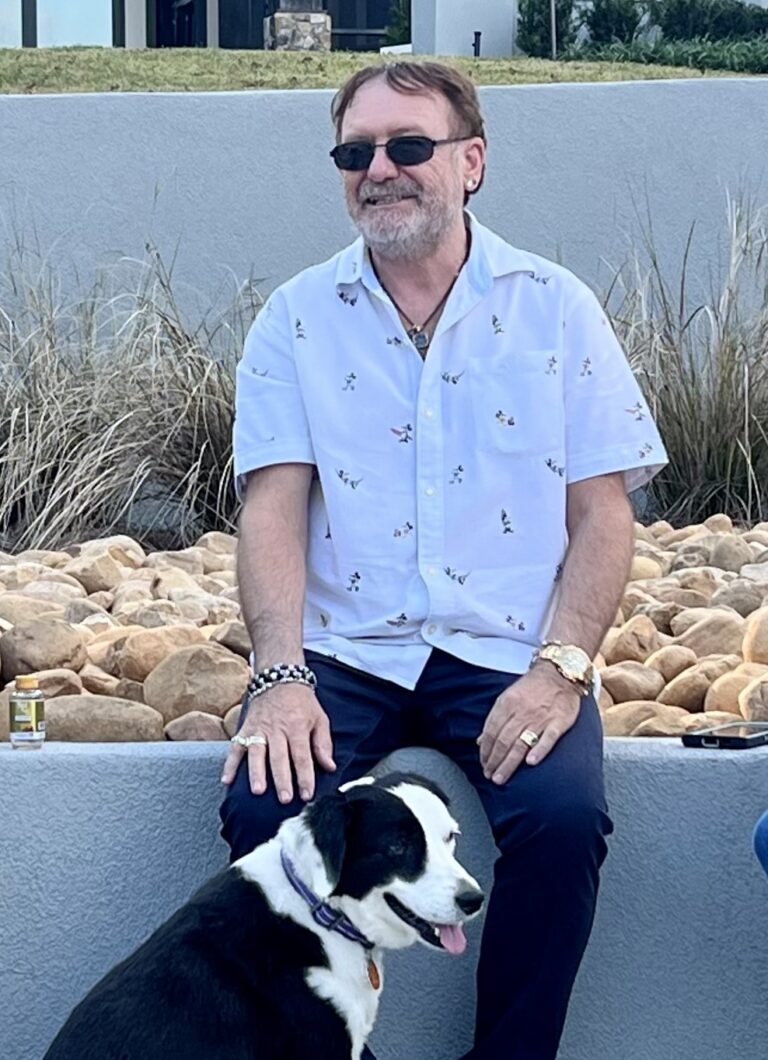
Scott MacKenzie
It’s good to give back.
Growing up in East Millinocket, Maine, Scott MacKenzie was captivated by the wonders of nature. A voracious reader with a deep curiosity about the world, he eagerly awaited each new issue of Scientific American, always thirsting for more knowledge. But Scott’s passion for discovery wasn’t confined to the pages of books—he actively sought out adventure. Whether spotting a beluga whale in the Penobscot River or identifying a rare tree species that saved his family’s Christmas, his childhood was filled with awe and wonder.
That curiosity stayed with him throughout his life and has shaped his approach to philanthropy. Today, Scott is a dedicated philanthropist, channeling his lifelong love of science and the natural world into supporting cutting-edge research and conservation efforts, particularly at College of the Atlantic Allied Whale.
Scott’s journey from East Millinocket to becoming a major donor to Allied Whale is deeply intertwined with his childhood friendship with retired Allied Whale Research Associate Tom Fernald ’91. Their bond, forged at age four on the slopes of Feeney Hill behind Tom’s grandmother’s house, has been a constant throughout their lives. Racing down the hill on cardboard sleds and spending countless hours together at the local library exploring books on astronomy and the natural world, Scott and Tom shared a deep love of science and exploration that fueled countless adventures.
Though their geographic paths eventually diverged—Tom studying marine biology and working with whales at College of the Atlantic while Scott moved south for new opportunities—their friendship remained unwavering. Despite the distance, they stayed connected, and it was Tom’s work at Allied Whale that sparked a new chapter in Scott’s philanthropy.
Inspired by Tom’s commitment to whale conservation, Scott began supporting Allied Whale in 2014. COA’s pioneering work in the study of North Atlantic humpback whales, especially the development of photographic identification techniques, resonated deeply with Scott. In 1977, Allied Whale published the first catalog of North Atlantic humpback whales, which initially contained just 120 individual whales. Since then, Scott’s generosity has been a driving force in the expansion of the North Atlantic Humpback Whale Catalog, which now includes more than 12,000 whales. This critical work in tracking migratory patterns, studying whale populations, and monitoring their health is essential for the conservation of these magnificent creatures.
Over the past decade, Scott’s contributions to Allied Whale have totaled more than $1 million, playing a pivotal role in supporting the ongoing research and conservation efforts that continue to shape the future of marine biology.
Scott’s giving isn’t limited to whale conservation. His commitment to preserving the beauty of our planet—as wide-ranging and boundless as his childhood curiosity—spans many organizations.
When asked what drives his philanthropic efforts, Scott simply says, “It’s good to give back.” For him, this philosophy is rooted in a belief that each of us has a responsibility to make a meaningful impact on the world. Whether it’s supporting groundbreaking scientific research, protecting marine life, or contributing to the greater good of the planet, Scott’s generosity is a reflection of his values and his commitment to the world around him.
Scott and Tom’s 65-year friendship remains a powerful force in both their personal lives and their shared efforts to protect the natural world. Even in retirement, the two continue to explore the wonders of nature together—most recently traveling to Wyoming in search of dinosaur bones.
From their beginnings in a small Maine town to their ongoing adventures, Scott’s support of Allied Whale reflects the enduring power of curiosity and friendship. Together, Scott and Tom are helping to shape a future where the next generation of explorers, scientists, and conservationists can continue the work of protecting our planet.

Susan Inches ’79
I’ve always supported the mission of the college—what could be more important than to educate the next generation of environmental leaders?
The value of my investment in a COA education has appreciated every year. When I first arrived at COA in 1975 people would ask me, “College of the what?” Now people see it on my resume and they say, “Wow, you’re a COA grad, tell me about that!” Over the years, COA has grown so much in stature and in its contribution to the world, and I’m very proud of that.
I’ve always supported the mission of the college—what could be more important than to educate the next generation of environmental leaders? And I totally support the funding strategy to establish endowed faculty chairs. Excellence in teaching has been, and always should be a core element of the school. The combination of a compelling mission and strong funding strategy has motivated me to contribute over the years. I also know that gifts from alumni are meaningful, and that the college is going to make very good use of every dollar I give.
Sue Inches ’79 is an author, educator, and environmental advocate. She has worked in public policy for over 25 years with senior roles in the Maine State Planning Office and the Department of Marine Resources. She is author of the recently published book, Advocating for the Environment, How to Gather Your Power and Take Action. She has given back to COA for over 40 years as a donor, a guest speaker, and a mentor.

Susan Woehrlin ’80
I give because the world needs COA educated graduates now even more than ever—and I want to help make a COA education accessible to those who might not otherwise afford it.
When did you start giving back to COA? Why?
As soon as I got my first appeal letter! I grew up with stories of great grandparents who were philanthropists, in a family that modeled contributing both money and time to non-profits that reflect one’s beliefs and priorities. It was also a family that highly valued higher education: I watched my parents writing out checks to their respective alumni associations every year as they reflected on how lasting an impact their college years had had on their lives. So it just seemed natural to consider my beloved college community an important one to stay connected with and contribute to over the years.
In what field were you interested when you attended COA?
I was focused on learning—not vocation! What I loved about COA was the interdisciplinary, integrative nature of the curriculum that did not require I declare a focus area. I also thrived on the applied, experiential nature of the learning. I arrived fresh off a semester with NOLS (National Outdoor Leadership School), which combined the study of field ecology with leadership in the Alaska wilderness. At COA I took courses in literature, women’s studies, philosophy, and psychology, and co-led a peer writing group. I took a carpentry class (which built a new green house) and then did an internship with a lesbian-feminist carpentry collective in Minneapolis where I ostensibly examined cooperative principles, but as much enjoyed learning to properly swing a hammer.
In what field did you end up working?
Higher Education. I’ve been on the faculty at Antioch University Seattle for 36 years, where I currently chair undergraduate studies programs. We serve adult learners returning to complete a liberal arts degree that integrates career development with academic studies, with a heavy emphasis on social justice and discovering and enacting one’s passions and calling.
How did your experiences at COA affect the work you did after COA?
My educational philosophy and pedagogy was formed at COA: in discovering what enabled me to thrive as a learner—small discussion-based seminars, problem/issue-centered inquiry, application projects, internships, field-studies, senior projects—I gained a template for designing dynamic and relevant courses and educational programs. From my term facilitating ACM, I gained confidence in my group leadership skills. I also gained an embodied understanding of what true learning community feels and acts like that has served as a constant guide.
Why do you continue to give to COA every year?
I give because the world needs COA educated graduates now even more than ever—and I want to help make a COA education accessible to those who might not otherwise afford it. The urgency for innovative and systemic thinkers, passionate and idealistic souls, grounded in science but with a capacity for creative expression, increases daily. COA offers an education for all of these capacities.