Is COA Right for Me?
An interdisciplinary approach to education
The COA Experience
Small, interdisciplinary, experiential, and student-driven
College of the Atlantic attracts students who want more than a traditional college education. They come from across the United States and around the world seeking the freedom to design their own course of study, explore ideas across disciplines, and put learning into practice through research, fieldwork, creative practice, and community engagement.
COA students typically have strong academic preparation, a tendency to seek out intellectual and personal challenges, and an ability to thrive in a self-directed environment. If you’re intrigued by the idea of being part of a small college community with a focus on human ecology, we hope you’ll apply.

COA might be right for you if…
- You’re curious and self-directed
- You love to dig into complex questions
- You connect best with dynamic teachers who challenge you to think in new ways
- You’re looking for a school that’s also a community
- You care not only about what you learn, but how you learn it
- You have multiple areas of interest you’d like to study
- You see things in the world you’d like to change and believe change is possible
Frequently asked questions
What is human ecology?
Human ecology is an interdisciplinary field that explores and seeks to improve the relationships among people, communities, and the natural world. At College of the Atlantic, students draw on science, arts, humanities, and direct experience to understand those relationships and help build more just and sustainable futures.
What Can You Do With a Degree in Human Ecology?
A COA education prepares students to work across boundaries. Graduates apply what they learn in fields as diverse as science, education, healthcare, law, conservation, entrepreneurship, and the arts, often serving as collaborators, problem-solvers, and leaders who connect people, ideas, and disciplines.
Can I Go to Medical School, Law School, or Graduate School After COA?
Yes. COA students design academic pathways that prepare them for advanced study in medicine, law, environmental science, education, public policy, and many other fields. Experiences such as faculty research, internships, study-away opportunities, and partnerships with leading organizations help students develop the skills and perspective needed to thrive in graduate and professional programs..
Why Is COA Considered One of the Best Environmental Colleges?
We approach sustainability through the lens of human ecology: understanding the connections among people, communities, and the natural world, and working to improve them. Students engage with environmental challenges alongside questions of justice, equity, culture, and community, while helping lead many of the sustainability efforts that shape campus life. That holistic approach has earned national recognition, including ten consecutive years as the nation’s #1 Green College.
Can I Become a Teacher at COA?
Yes. Students can pursue Maine teacher certification through COA’s Educational Studies program while building an interdisciplinary course of study shaped by real-world experience. Through student teaching, internships, educational research, and partnerships with local schools, students develop both the practical skills and broad perspective needed to become thoughtful, effective educators.
How Is COA Different From Other Liberal Arts Colleges?
COA shares the academic rigor and close faculty relationships that draw students to leading liberal arts colleges. What sets the college apart is the opportunity to design your own course of study, connecting ideas across disciplines through research, fieldwork, creative practice, and community engagement.
Consdering colleges like Hampshire College? See how COA’s self-designed approach shares deep roots with Hampshire.
Visit our campus
Explore College of the Atlantic
Visiting our campus is the best way to get to know us, but we’d love to talk to from afar as well. On campus, you’ll take a tour, interview with one of our admission counselors, sit in on a class, and eat in our dining hall to see if our community feels right. Online, we’ll do our best to help you understand COA and whether we might be a good fit for each other.
Stories from the Field
Higher ed leaders name COA among the most innovative liberal arts colleges
In a U.S. News & World Report peer survey, College of the Atlantic ranks #25 in Most Innovative Schools and #69 for Best Undergraduate Teaching. Read More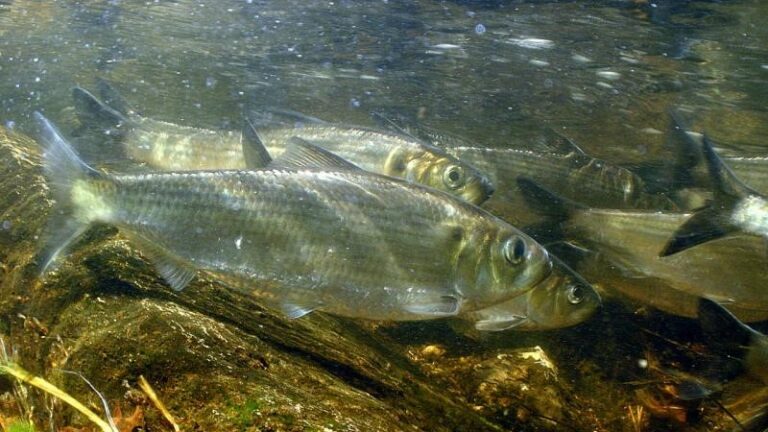
From senior project to published paper, with COA faculty as co-authors
In Marine Policy, Sophia Chivers ’24 and College of the Atlantic professors Ken Cline and Chris Petersen compare how Maine towns and the state share oversight of two fisheries, and find that strong local management isn’t always enough. Read MoreNepal’s request for flood payout tests UN’s new climate-aid system
College of the Atlantic Professor Doreen Stabinsky tells The Economic Times that international climate aid must respond quickly when vulnerable nations face catastrophic losses. Read MoreStudent Resources
Thorndike Library
Research expertise, specialized databases, and guidance for independent and collaborative projects across disciplines.
Registrar
Registration, course offerings, student forms, transcripts, and support as you design your program of study.
Writing Center
Focused help for brainstorming, drafting, revising, and refining papers, projects, proposals, and presentations.
Career Development
Internship planning and placement, resume and interview preparation, and connections to meaningful work.
Academic Support Services
Study skills, learning strategies, and accommodations designed around your strengths and challenges.
Meal menu
From curries to carnitas, savory tofu to Maine seafood, our dining hall celebrates flavor, community, and responsible sourcing.
more student resources and info
Everything you’re looking for (we hope) in one central place.
Ready to build your own path?
Apply Now
Join a close-knit community built for curiosity, collaboration, and purpose.
connect with admissions
Talk with an admission counselor about your interests, questions, and goals.
Plan a Visit
Attend a class, meet students, and experience learning rooted in place.