Collections
Dorr Museum of Natural History
Curated by students. Available to all.
The Dorr Museum’s collections offer a unique resource for teaching, research, and artistic exploration. All specimens are prepared by College of the Atlantic students through hands-on coursework in natural history, anatomy, and museum studies. Our growing collection supports COA’s mission to blend science, creativity, and experiential learning.
Contact Dorr Museum Director Carrie Graham at [email protected] for collections access.
What’s in the collection
Thousands of specimens. Endless learning opportunities
Our holdings represent the rich biodiversity of coastal Maine and beyond. Core collections include:
- Mammal and bird study skins
- Reptiles and amphibians
- Fishes and marine invertebrates
- Insects and terrestrial arthropods
- Complete bones and skeletons
- Bird eggs
- Taxidermy mounts of birds and mammals
Collections are used by students and faculty for research, class demonstrations, independent studies, and creative projects.
Search the database
Browse our records online through ARCTOS.
A portion of the Dorr Museum’s collections is digitized and available through the ARCTOS collaborative database—a shared platform used by natural history institutions worldwide. You can search by species, collection type, or taxonomic category.
Related resource: The Herbarium
15,000+ plant specimens and counting.
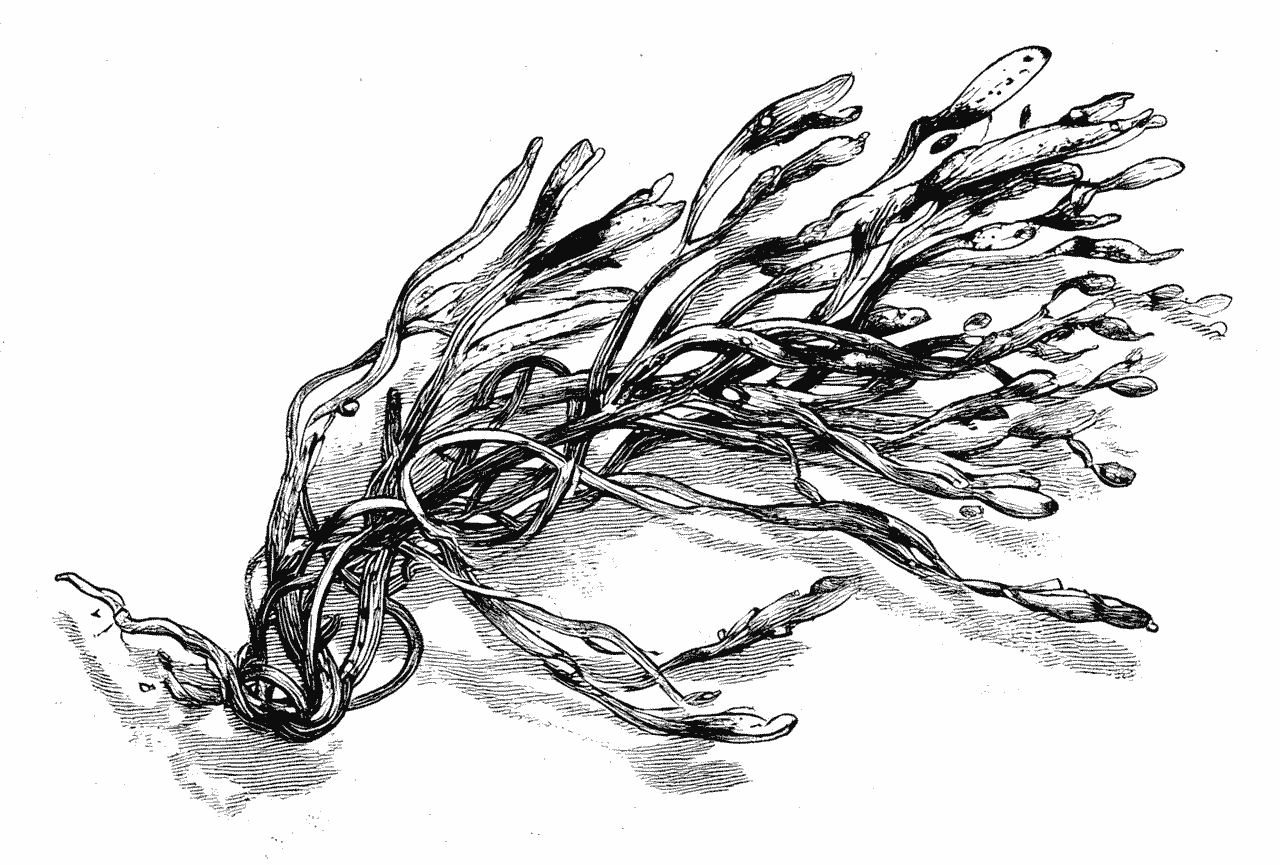
The College of the Atlantic/Acadia National Park Herbarium houses dried specimens of vascular plants, mosses, lichens, and fungi. This collection, maintained by COA, documents regional flora and supports coursework and student research.
Stories from the Field
From senior project to published paper, with COA faculty as co-authors
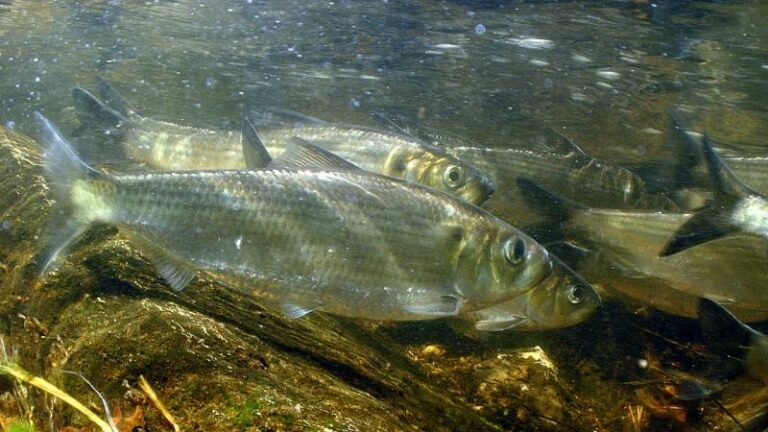
In Marine Policy, Sophia Chivers ’24 and College of the Atlantic professors Ken Cline and Chris Petersen compare how Maine towns and the state share management of shellfish and river herring, and find that strong local management isn’t always enough. Read MoreResearch offers new insights into Atlantic sea scallop reproduction
Research led by Kaitlyn Kowaleski ’19 found that Atlantic sea scallops produce fewer viable eggs than previously estimated, offering new insights for fisheries management and marine conservation. Read MoreStatewide gathering advances new approaches to invasive green crabs
College of the Atlantic students, alumni, and faculty take on key roles in the 2026 Green Crab Working Summit. Read MoreReady to build your own path?
Apply Now
Join a close-knit community built for curiosity, collaboration, and purpose.
connect with admissions
Talk with an admission counselor about your interests, questions, and goals.
Plan a Visit
Attend a class, meet students, and experience learning rooted in place.