Mission & History
College of the Atlantic
A college founded on the relationships between people and the environment
Our mission
College of the Atlantic enriches the liberal arts tradition through a distinctive educational philosophy—human ecology. A human-ecological perspective integrates knowledge from all academic disciplines and from personal experience to investigate—and ultimately improve—the relationships between human beings and our social and natural communities. The human-ecological perspective guides all aspects of education, research, activism, and interactions among the college’s students, faculty, staff, and trustees.
The College of the Atlantic community encourages, prepares, and expects students to gain expertise, breadth, values, and practical experience necessary to achieve individual fulfillment and to help solve problems that challenge communities everywhere.
Our vision
The faculty, students, trustees, staff, and alumni of College of the Atlantic envision a world where people value creativity, intellectual achievement, and the diversity of nature and human cultures. With respect and compassion, individuals will construct meaningful lives for themselves, gain appreciation for the relationships among all forms of life, and safeguard the heritage of future generations.
our History
COA was chartered by a small group of educators and community members who saw in Mount Desert Island a great year-round location for learning, and were excited to use human ecology as a guiding, interdisciplinary approach to education. Our founders included Catholic priest and peace activist Father James Gower, and local businessman Les Brewer (who remained an active member of our Board of Trustees for more than 40 years). Ed Kaelber, at the time assistant dean at the Harvard Graduate School of Education, became the college’s first president.
We admitted our first class in 1972, starting off with 32 students and four full-time faculty members. Right from the beginning, engaged learning and citizenship were a central part of the college’s educational approach: together faculty and students put their studies to work in everything from the participatory governance of the college, to studying whale populations in the Gulf of Maine, to organizing lobbying efforts that were recognized as key to the Maine legislature’s passage of the returnable beverage container bill in the 1973–74 legislative session.
More than 50 years later, our 350 students, 35 faculty, and 60 staff members still share that original focus on engaged learning and community, and more than ever we believe that an interdisciplinary, human-ecological perspective is critical to addressing the world’s most pressing problems.
Stories from the Field
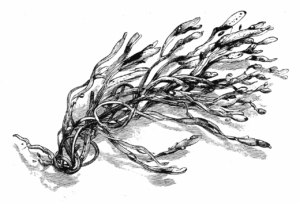
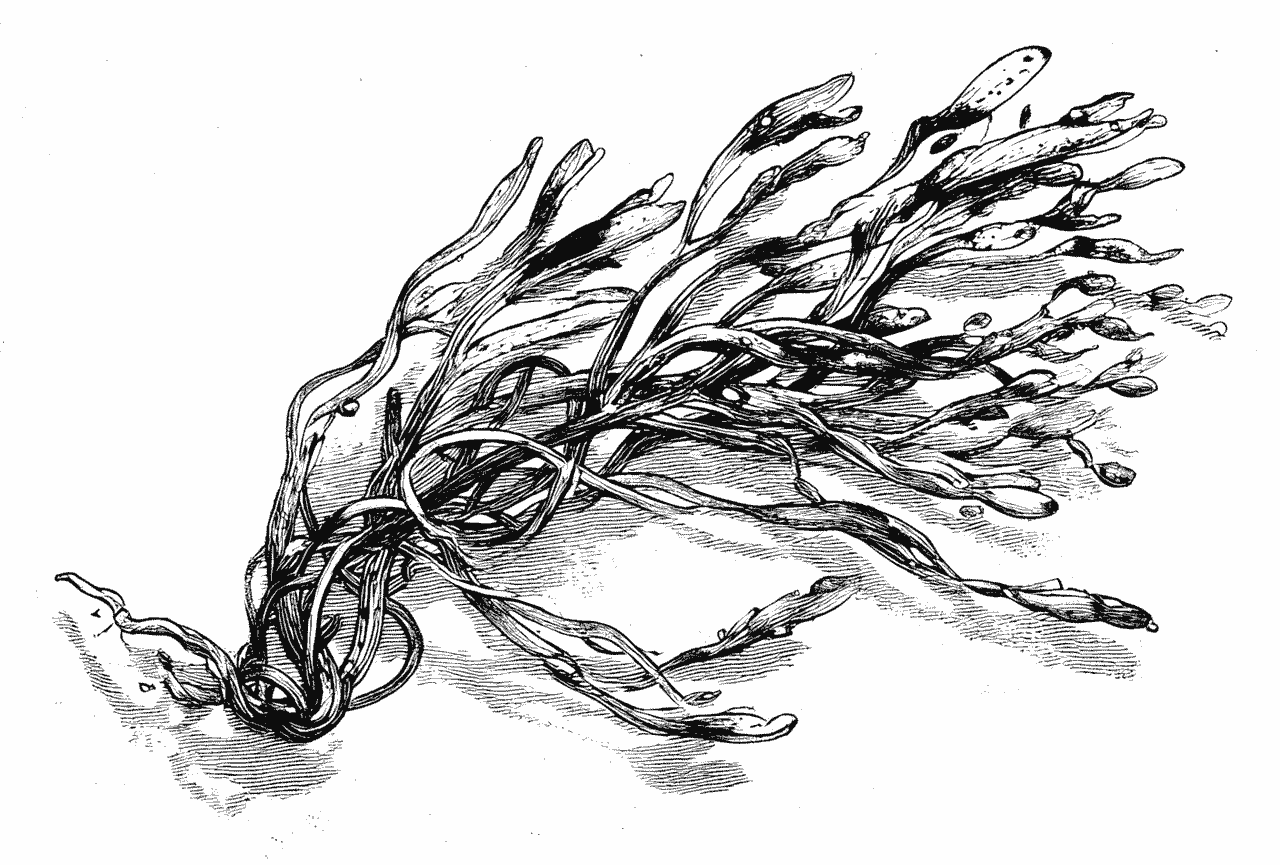
Mount Desert Rock’s overlooked hydroids get their first survey
Marina Schnell ’25, lead author, and professor emeritus Chris Petersen record 13 species of the tiny jellyfish relatives in Northeastern Naturalist.
Read MoreInternational collaboration nets years of research in China’s rainforests
COA botany professor Susan Letcher and Chinese Academy of Forestry colleagues link land-use history and drought to forest carbon in Forest Ecology and Management.
Read More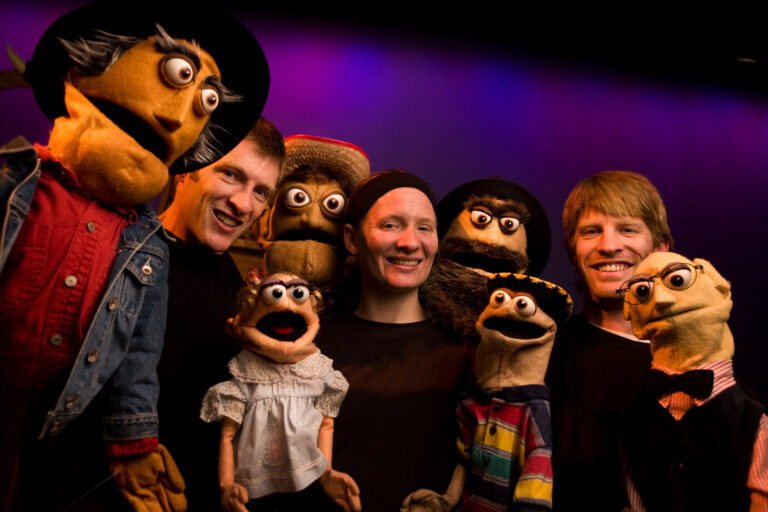
How one COA puppetry class became a family business
WABI TV5 profiles Frogtown Mountain Puppeteers, the Bar Harbor company Erik Torbeck ’95 runs with his siblings, Brian Torbeck and Robin Erlandsen.
Read MoreReady to build your own path?
Apply Now
Join a close-knit community built for curiosity, collaboration, and purpose.
connect with admissions
Talk with an admission counselor about your interests, questions, and goals.
Plan a Visit
Attend a class, meet students, and experience learning rooted in place.