Digital accessibility
college of the atlantic
Committed to an online experience that is accessible, equitable, and human‑centered
College of the Atlantic is committed to providing digital content that is accessible to all people, including those with disabilities. We want every member of our community, and every visitor to our website, to be able to access the information, services, and opportunities we provide.
This page explains our accessibility standards, the steps we are taking to improve accessibility, known limitations we are actively working to address, and how to contact us if you encounter a barrier.
Our commitment
We aim to meet the Web Content Accessibility Guidelines (WCAG) 2.1 AA across our public website and all digital materials required for participation in COA programs. These standards help ensure that content is perceivable, operable, understandable, and robust for people using assistive technologies such as screen readers, screen magnifiers, voice navigation tools, and alternative input devices.
Accessibility is an ongoing institutional priority. We are continually reviewing our digital content, updating our workflows, and improving our tools and training.
What we are doing
To support accessibility across our digital environment, we are:
- using semantic, standards‑based HTML throughout the website.
- designing pages with clear structure, headings, and navigation.
- ensuring appropriate color contrast and scalable text.
- providing alt text for meaningful images.
- reviewing new content for accessibility before publication.
- training staff and faculty on accessible document creation.
- improving the accessibility of syllabi, forms, and other required materials.
- conducting periodic audits of the website and digital documents.
- using automated tools, including AccessiBe, as a supplemental aid—not a replacement for manual accessibility work.
Known limitations and ongoing remediation
We recognize that some content on our website does not yet meet WCAG 2.1 AA standards. In particular:
- legacy PDFs: Many older PDFs, including policies, reports, and archival materials, are not fully tagged or accessible. We are actively reviewing and remediating these documents.
- faculty‑created materials: Some syllabi and course documents created before our updated guidelines may not be accessible.
- third‑party tools and platforms: Some embedded services and external systems used by the college may have accessibility limitations outside our control.
- historical content: Older pages and media may not meet current standards but are being updated as part of our ongoing review.
If you need an accessible version of any document, we will provide one as quickly as possible.
Reporting accessibility issues
If you encounter a barrier on our website or in any digital material, please let us know. We welcome feedback and take all reports seriously.
You can contact us at:
Email: [email protected]
Phone: 207-288-5015
Mail: College of the Atlantic, 105 Eden Street, Bar Harbor, ME 04609
Please include the URL or document name, a description of the issue, and any assistive technology you are using. We will respond promptly and work to resolve the issue.
Compatibility
Our website is designed to work with:
- current versions of major browsers (Chrome, Firefox, Safari, Edge).
- screen readers such as JAWS, NVDA, and VoiceOver.
- keyboard‑only navigation.
- mobile and tablet devices.
Ongoing improvements
Accessibility is not a one‑time project. We are committed to:
- expanding training for faculty and staff.
- improving accessible document workflows.
- reducing reliance on PDFs where possible.
- increasing the use of accessible HTML alternatives.
- conducting regular audits and user testing.
- updating this statement as our work evolves.
Older browsers or unsupported assistive technologies may not provide the best experience.
Feedback and accountability
We value input from students, staff, faculty, alumni, and visitors. If you have suggestions for improving accessibility at COA, please reach out to [email protected]. Your feedback helps us build a more inclusive digital environment for everyone.
Stories from the Field
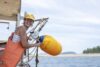

Lamb-ageddon! Crowd goes wild as baby sheep frolic on the field
COA Peggy Rockefeller Farm’s Leaping into Spring event is a sweet tradition that signals the turning of the season on Mount Desert Island. Via Bar Harbor Story. Read More
Endowment and innovation keep Bar Harbor college viable, new interim leader says
Incoming interim president Lynn Boulger highlights the $95 million endowment and unique academic focus keeping COA secure, via Bangor Daily News. Read More
Student Resources
Thorndike Library
Research expertise, specialized databases, and guidance for independent and collaborative projects across disciplines.
Registrar
Registration, course offerings, student forms, transcripts, and support as you design your program of study.
Writing Center
Focused help for brainstorming, drafting, revising, and refining papers, projects, proposals, and presentations.
Career Development
Internship planning and placement, resume and interview preparation, and connections to meaningful work.
Academic Support Services
Study skills, learning strategies, and accommodations designed around your strengths and challenges.
Meal menu
From curries to carnitas, savory tofu to Maine seafood, our dining hall celebrates flavor, community, and responsible sourcing.
more student resources and info
Everything you’re looking for (we hope) in one central place.
Ready to build your own path?
Apply Now
Join a close-knit community built for curiosity, collaboration, and purpose.

connect with admissions
Talk with an admission counselor about your interests, questions, and goals.

Plan a Visit
Attend a class, meet students, and experience learning rooted in place.