
Marine Science
College of the Atlantic
We’re not just College of the Atlantic. We’re also College in the Atlantic
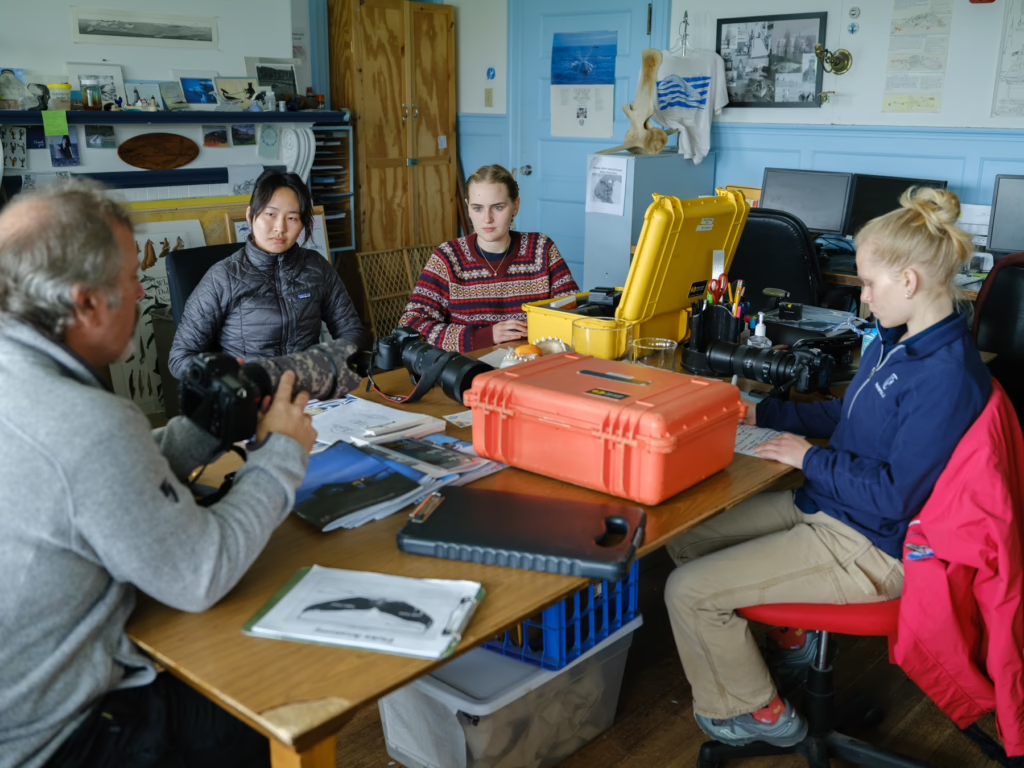
COA’s oceanfront campus provides an excellent gateway for students and faculty pursuing Marine Science. Every summer, teams of students and faculty conduct research on seabirds, whales, seals, and island ecology on our off-shore research stations . Students also work with Allied Whale , COA’s marine mammal research group, and have access to boat and waterfront resources. Many students go on to do internships and conduct research from the Arctic to the Antarctic, on every continent, and in the oceans and seas around the globe.


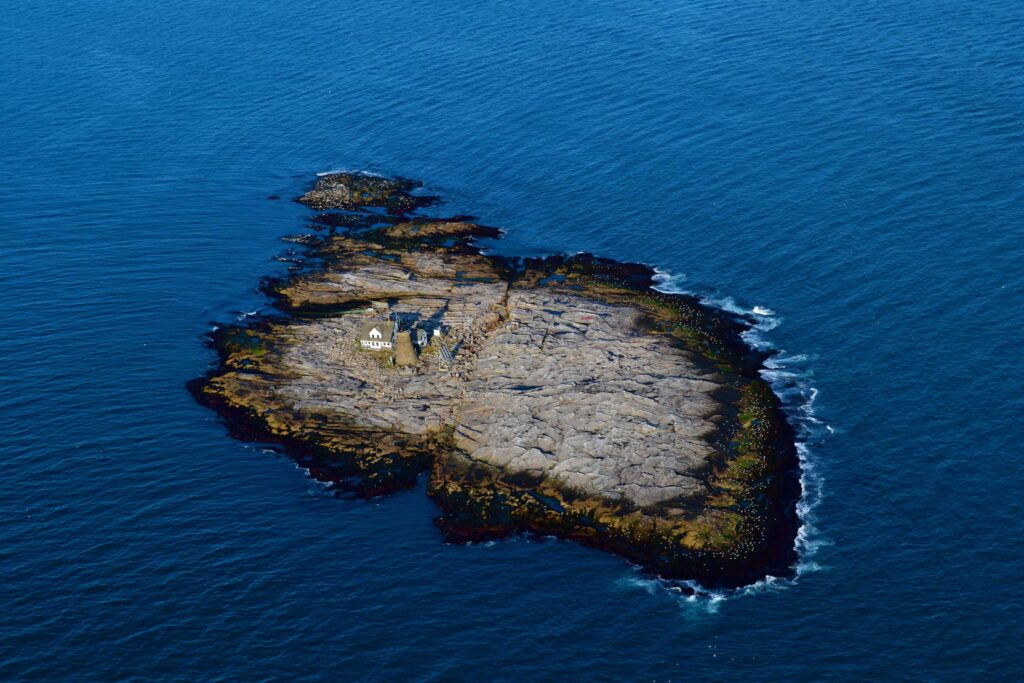


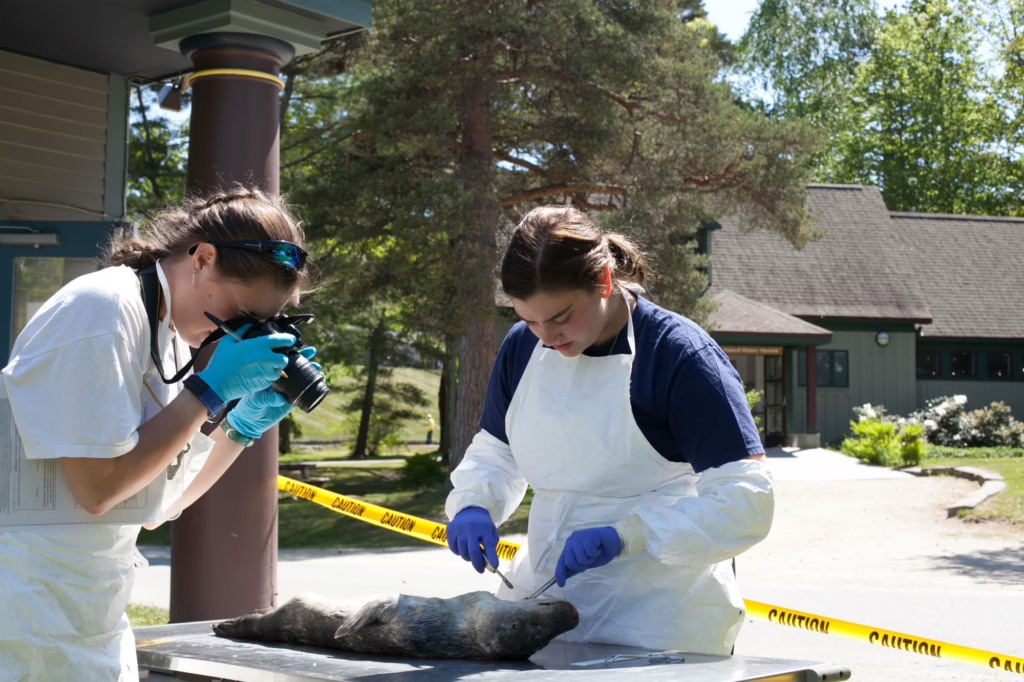


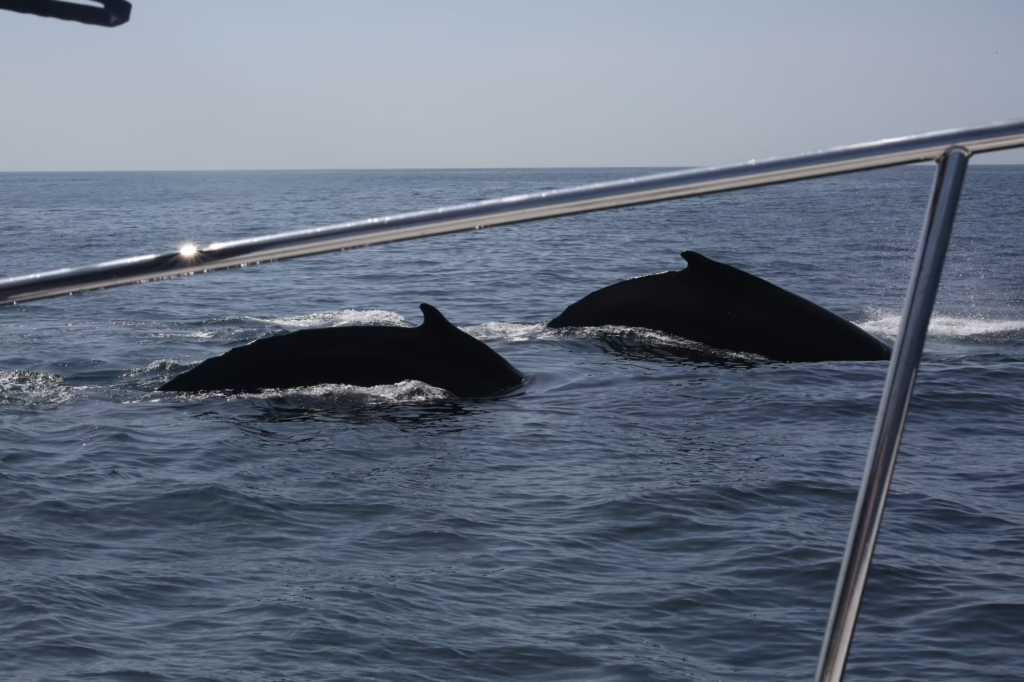

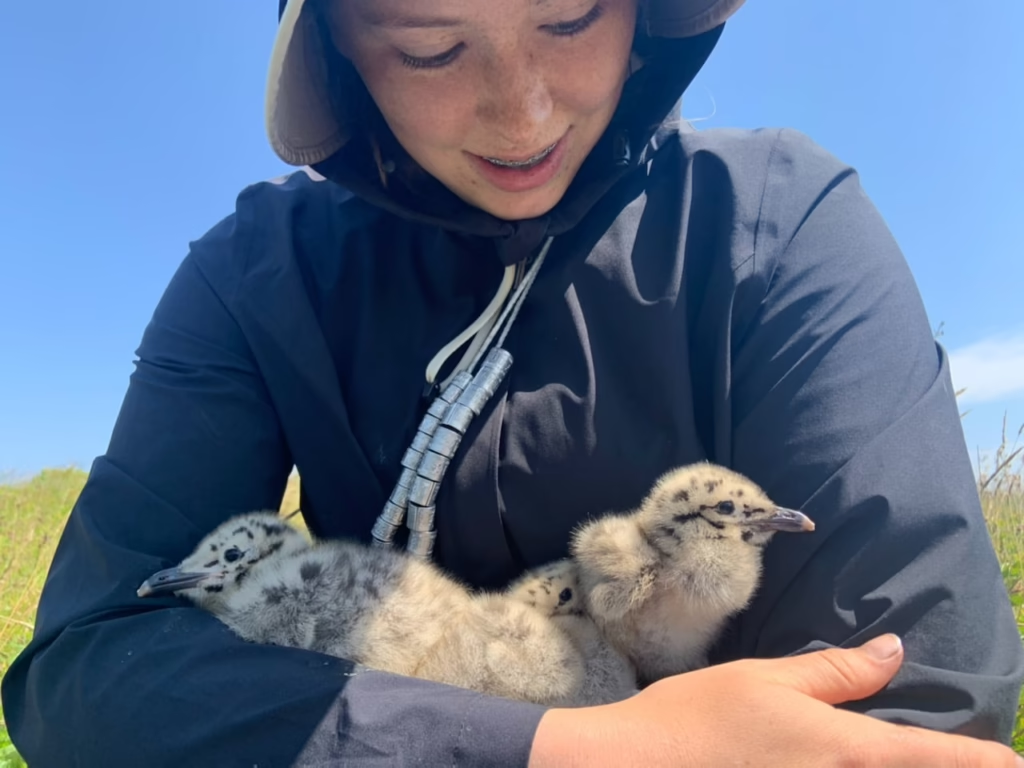
You’ll see whales in the Gulf of Maine and, if you’re lucky (and the whale isn’t), you might be able to dissect one
Marine science …
Students interested in Marine Science gain a strong foundation through introductory courses such as Marine Biology , an introductory biology sequence , and Introduction to Oceanography . Intermediate and advanced classes include Marine Mammals , Invertebrate Zoology , Environmental Chemistry , and Ornithology . All of these courses emphasize field work and natural history . Faculty who teach Marine Science and related classes interact to help students carry lessons from one course to another, challenging and focusing scientific tastes and passions.
… and beyond
There are also opportunities for students to learn about marine policy and the conservation of marine resources through Marine Policy , Environmental Law and Policy , and Fisheries and their Management . Our island research stations are also sites for artistic and cultural exploration. Classes such as Environmental History and Water Worlds allow students to combine Marine Science with the humanities.
Marine science at COA is interdisciplinary. It’s definitely not just science
Our location on the Gulf of Maine and our interdisciplinary, self-directed curriculum mean that you can use all academic and creative disciplines to study the marine environment, its inhabitants, and the cultures that live near the ocean and depend on its resources.
Reminder: ‘Areas of Study’ aren’t the only way to think about courses. Browse and explore here.
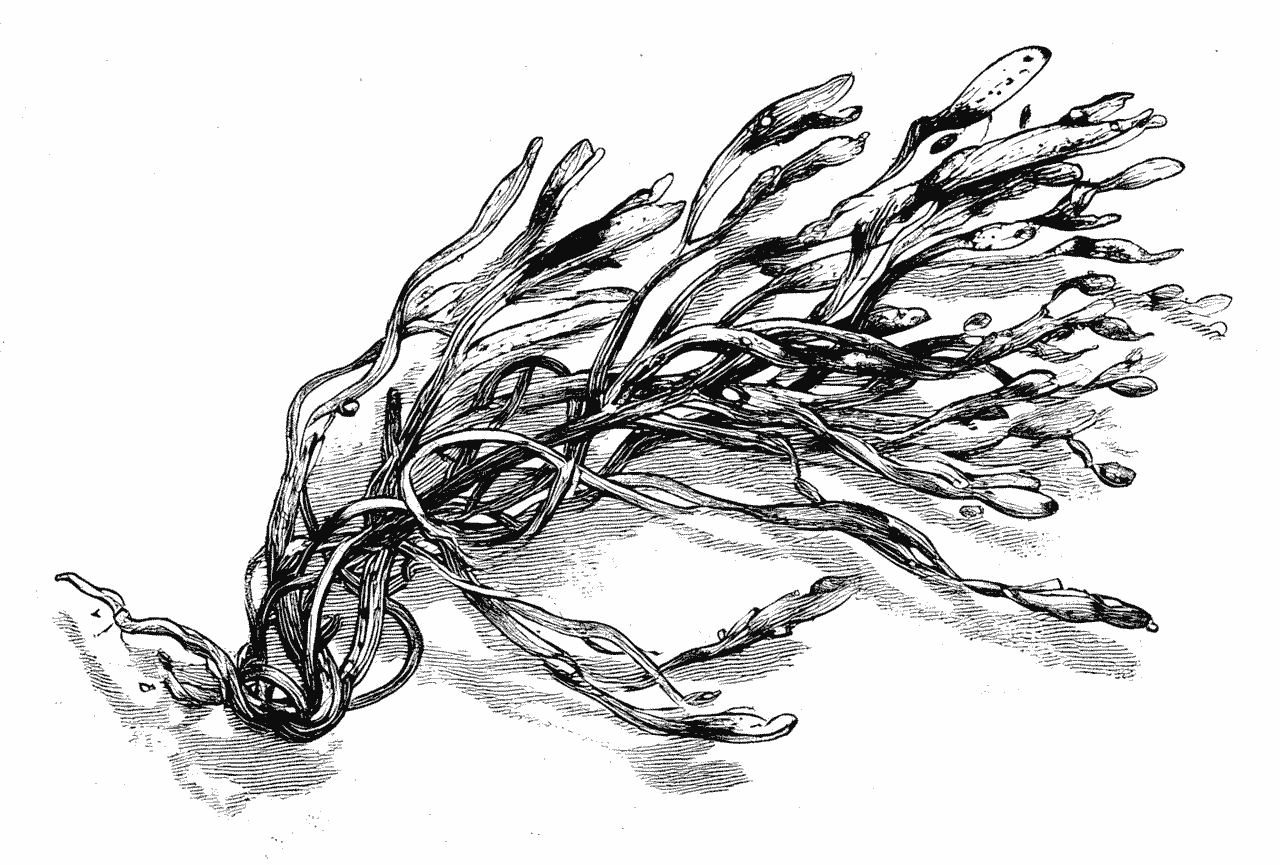
Check out our Marine Sciences at COA blog; a forum to highlight and discuss marine research and classwork by students, staff, and faculty.
Faculty
Ken Cline
ABOUT
Before COA
Before joining the faculty, Ken served as a Judicial Clerk for Federal Judge Gus J. Solomon in Portland, Oregon; as a Staff Attorney for the U.S. Court of Appeals for the 9th Circuit in San Francisco; and as an attorney specializing in municipal, environmental, and land use litigation for Calfee Halter & Griswold in Cleveland, Ohio.
His other interests include whitewater canoeing and kayaking, politics, and wilderness camping.
Course Areas
Environmental law, land and water conservation, parks and protected areas
COURSES
- Acadia: Exploring the National Park Idea
- Advanced International Environmental Law Seminar
- Environmental Law and Policy
- History of the American Conservation Movement
- International Wildlife Policy and Protected Areas
- Introduction to the Legal Process
- Native American Law
- Our Public Lands: Past, Present, and Future
- Reading the West
- Rights of Nature
- Whitewater/Whitepaper: River Conservation and Recreation
- Wilderness in the West: Promise and Problems
EDUCATION
- B.A. Hiram College, 1980
- J.D. Case Western Reserve University, 1983
More Information about my Courses
Most of Ken’s courses are underlain by a pedagogical commitment to the principle that classes that enable students to apply knowledge to real problems can provide superior training for the students and a real benefit for people faced with those problems. Therefore, Ken uses neighboring Acadia National Park, a local watershed, and surrounding communities as the focus of class work and projects. Students in Ken’s courses have developed watershed conservation plans, filed legal documents to protect endangered species, lobbied state and national legislatures, attended United Nations conferences, testified at hearings, changed local zoning ordinances, prepared a plan to revitalize a local waterfront, organized local citizens, and routinely work with local leaders, agencies and citizens.
INTERESTS
Ken joined the faculty in 1989 where he teaches a broad range of courses in environmental law and policy. In addition to legal studies and pre-law courses, Ken teaches several interdisciplinary courses that focus on conservation policy within the United States and internationally. These classes include courses on public lands and parks, wildlife protection, wilderness, the history of the conservation movement, land conservation, land use planning, and river and watershed protection. Ken’s international courses focus on wildlife, environmental treaties, protected areas, and water management.
ADVOCACY
Ken has been recently appointed by the US Secretary of the Interior to the Acadia National Park Advisory Commission.
He is a Volunteer Leader for the Sierra Club in Maine and nationally. In this capacity, he has served on numerous state and national committees and stakeholder groups.
Ken is on the board of the Frenchman Bay Conservancy a regional land trust covering the watersheds of the Union River and Frenchman Bay.
PUBLICATIONS
Publications
Newlin, W., K. Cline, R. Briggs, A. Namnoum, and B. Ciccotelli The College of the Atlantic Guide to the Lakes & Ponds of Mt. Desert, North Atlantic Books. Berkeley CA 2013.
Ken has done extensive work with local and national river and watershed conservation groups. He has worked on river conservation issues in Maine, Ohio, Oregon, Pennsylvania, and Chile. He presently serves on the national rivers committee of the Sierra Club and has presented at national river conferences. Ken is director of the College of the Atlantic’s Watershed Project a collaborative, community-based curriculum and outreach project. The watershed project recently received a $360,000 grant from the US Department of Education to develop a model for interdisciplinary experiential teaching that utilizes the watersheds in Hancock County and addresses the issues facing the gateway communities surrounding Acadia National Park. Through this grant the College has helped to found a local stakeholder group to protect the nearby Union River and has worked closely with citizen groups, agencies, and local governments to monitor and educate the public about the Union River Watershed.
Presentations
March 2015, Oakland, California George Wright Society “Re- Envisioning the Application of the National Environmental Policy Act (NEPA) Within Land Management Agencies” with Chris Buczko from the National Park Service
November 2014, Sydney, Australia6th World Parks Congress “Parks Across the Curriculum: A Multidisciplinary Approach to Protected Area Education”
October 2014, Bar Harbor, Maine Society for Human Ecology Conference “Human Ecology as an Educational Foundation for Protected Area Managers”
Oct. 2013, Bar Harbor, Maine Moderator for Impacts of Climate Change on Acadia National Park Presentation
Oct. 2012, Hallowell, Maine. Keynote Address at the Maine Groundwater Summit “The Right to Water.”

Kara Gadeken
ABOUT
Before COA
- Spring 2024: Visiting Professor of Marine Ecology, Coastal and Ocean Studies Program, Williams College at the Mystic Seaport Museum, Mystic, CT.
- 2022 – 24: Co-Instructor, Investigative Marine Biology Laboratory (IMBL), University of New Hampshire (UNH) at Shoals Marine Lab, Appledore Island, Kittery, ME. Co-instructors: Doug Fudge, Dennis Taylor (2022), Andrew Turko (2023)
- 2015 – 22: Doctoral student and research assistant, University of South Alabama (USA), Mobile, AL, and the Dauphin Island Sea Lab (DISL), Dauphin Island, AL.
Specialized Skills & Certifications
Field and Laboratory. Lab, mesocosm, and field marine science experimental design and logistics; scuba diving and underwater science with experience in low visibility and high current conditions; benthic community sampling and invertebrate taxonomic identification; marine sediment sampling and geochemical analysis; sediment electrochemical profiling and analysis
Software, Electronics, and Fabrication. Coding and data analysis in R, MATLAB, and Primer-E; figure/graphics design and editing (Affinity Suite); research instrument fabrication; small electronics and circuitry; Arduino and Processing IDE (C++); Computer Aided Design (CAD) (Solidworks, Autodesk Fusion 360, Sketchup); Computer Aided Manufacturing (CAM) (Tormach 1100M CNC); machining and machine shop safety; behavior coding and analysis (BORIS, AnimalTA); image analysis (ImageJ)
Certifications. PADI Open Water Diver (2012), Advanced Open Water (2023); AAUS Scientific (100ft) and NITROX diver (2016); DAN diver rescue, CPR and First Aid; MOCC boat certified, small vessels
Course Areas
Marine biology, environmental science
EDUCATION
- NSF Postdoctoral Research Fellow, Stony Brook University, 2022
- Ph.D. Marine Science, University of South Alabama at the Dauphin Island Sea Lab, 2022
- B.S. Biology and Marine Science, The College of William and Mary, 2014
HONORS & AWARDS
PUBLICATIONS
Publications
- Gadeken, K.J., K.M. Dorgan. 2024. Effects of diel oxygen cycling and benthic macrofauna on sediment oxygen demand. Estuaries and Coasts 47:2377-2388
- Gadeken, K.J., G. Lockridge, K.M. Dorgan. 2023. An in situ benthic chamber system for improved temporal and spatial resolution measurement of sediment oxygen demand. Limnology and Oceanography: Methods.
- Gadeken, K.J., K.M. Dorgan. 2023. Sediment macrofaunal response to the diel oxygen cycle. Marine Ecology Progress Series 703:67-80.
- Gadeken, K.J., E. Kiskaddon, J.M. Moore, K.M. Dorgan. 2022. The weird and wonderful world of worms. Frontiers for Young Minds 10:902248.
- Berke, S.K., K.M. Dorgan, E.P. Kiskaddon, S. Bell, K.J. Gadeken, W.C. Clemo, E.L. Keller, T. Caffray. 2022. Shallow infaunal responses to the Deepwater Horizon event: Implications for studying future oil spills. Frontiers in Environmental Science 10:950458.
- Kiskaddon, E., K.M. Dorgan, K.J. Gadeken, S.K. Berke, S. Bell. 2022. Oil disturbance reduces species richness but does not affect phylogenetic diversity. Frontiers in Environmental Science 10:950493.
- Gadeken, K.J., W.C. Clemo, S.J. Dykstra, M. Fung, W. Ballentine, A. Hagemeyer, K.M. Dorgan, B. Dzwonkowski. 2021. Transport of biodeposits and benthic footprint around an oyster farm, Damariscotta Estuary, Maine. PeerJ 9:e11862.
- Gadeken, K.J., K.M. Dorgan. 2021. A simple and inexpensive method to manipulate dissolved oxygen in the lab. DIY Oceanography 34(2).
- Dorgan, K.M., R. Parker, W. Ballentine, S.K. Berke, E. Kiskaddon, K.J. Gadeken, E. Weldin, W.C. Clemo, T. Caffray, S. Budai, S. Bell. 2020. Investigating the sublethal effects of oil exposure on infaunal behavior, bioturbation, and sediment oxygen consumption. Marine Ecology Progress Series 635:9-24.
Presentations
INVITED SEMINARS
- Department of Biology, Siena College, Loudonville NY. Apr 14, 2023.
- School of Marine and Atmospheric Sciences, Stony Brook University, Stony Brook NY. Apr 8, 2022.
- Hatfield Marine Science Center, Oregon State University. Zoom Seminar. Jan 6, 2022.
- Gulf Coast Research Laboratory, University of Southern Mississippi. Zoom Seminar. Jun 27, 2021.
- SAIL/CYAMUS Marine Science Librarian Joint Conference. Zoom Keynote Talk. May 19, 2021.
CONFERENCE PRESENTATIONS
- Gadeken, K.J., B.J. Peterson, N. Volkenborn. 2023 Investigating the influence of seagrass sediment structure on sediment metabolism: An integrated approach. Coastal and Estuarine Research Federation 2023 Conference, Portland, OR. Nov 12-16, 2023 (oral).
- Gadeken, K.J., B.J. Peterson, N. Volkenborn. 2022. Aligning metabolic measurements with subsurface complexity in seagrass sediments. Nereis Park International Bioturbation Conference, Lagonna-Daulas, France. Aug 22-26, 2022 (oral).
- Gadeken, K.J., K.M. Dorgan. 2022. Changes in sediment metabolism throughout the diel oxygen cycle. Benthic Ecology Meeting, Portsmouth, NH. Mar 29 – Apr 3, 2022 (oral).
- Gadeken, K.J., K.M. Dorgan. 2021. Changes in sediment metabolism and macrofaunal activity throughout the diel oxygen cycle. (Virtual) Coastal and Estuarine Research Federation 2021 Conference. Nov 1-3 and 8-11, 2021 (oral).
- Gadeken, K.J., K.M. Dorgan. 2020. Changes in sediment metabolism and macrofaunal activity throughout the diel oxygen cycle. (Virtual) Bays and Bayous Symposium. Dec 1-3, 2020 (oral).
- Gadeken, K.J., K.M. Dorgan. 2019. Effects of diel oxygen cycling on infaunal behavior and sediment oxygen demand. Coastal and Estuarine Research Federation 2019 Conference, Mobile, AL. Nov 3-7, 2019 (oral).
- Gadeken, K.J., K.M. Dorgan. Effects of the diel oxygen cycle on sediment macrofaunal behavior. Bays and Bayous Symposium, Mobile, AL. Nov 28-29, 2018 (poster).
- Gadeken, K.J., K.M. Dorgan. Rates of benthic metabolism in an intertidal marsh throughout a diurnal oxygen cycle. Nereis Park international Bioturbation Conference, Southampton, NY. Aug 8-11, 2017 (poster).
- Gadeken, K.J., K.M. Dorgan, J. Moore, S.K. Burke. Applications of ecophylogenetics to benthic communities in the Northern Gulf of Mexico: Do functional traits follow phylogeny? Society for Integrative and Comparative Biology Meeting, Portland, OR. Jan 3-7, 2016 (poster).
- Gadeken, K.J., K.M. Dorgan, J. Moore, S.K. Burke. Applications of ecophylogenetics to benthic communities in the Northern Gulf of Mexico: Do functional traits follow phylogeny? Association for the Sciences of Limnology and Oceanography (ASLO) Ocean Sciences Meeting, New Orleans, LA. Feb 21-26, 2016 (poster).
Sean K. Todd
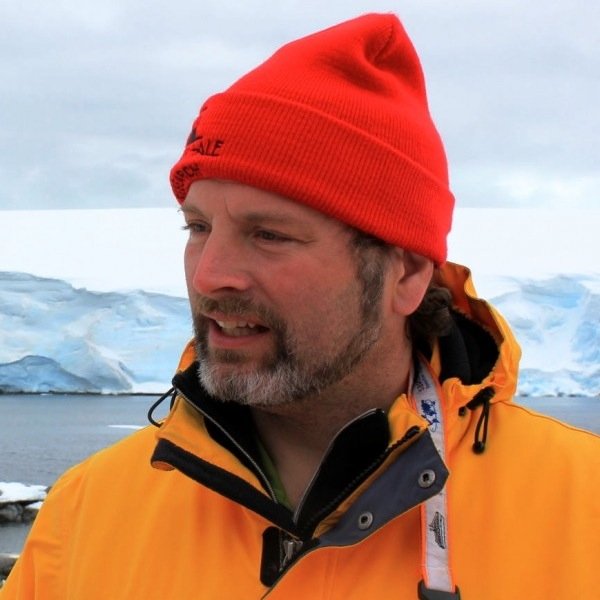
Director of Allied Whale
ABOUT
In 2018, Sean completed a project with the Great Courses™. Entitled Life in the Worlds Oceans, this educational series—entirely authored and presented by Sean and in partnership with the Smithsonian Institution—won a Telly award in 2019.
When not obsessed with all things COA and polar, Sean is an avid photographer, luthier, woodworker and guitarist!
Before COA
Sean grew up on the outskirts of London, England, son to parents heavily involved in the music industry. Many of Sean’s first babysitters were sound engineers— whenever he accompanied his father on a gig into London. He is a graduate of Whitgift High School, where he learned to love rugby and mountaineering/rock climbing. Sean did his undergraduate degree at the University College of North Wales, where he also expanded his experience as an leader in climbing and hiking expeditionS, and where he also qualified as a Lead Dive Instructor in SCUBA under the British Sub Aqua Club.
Sean then turned to Newfoundland, Canada, for his graduate degrees at Memorial University of Newfoundland under Dr. Jon Lien, one of the most respected whale scientists in Canada. Under Jon’s mentorship Sean learned the importance of engaging all stakeholders in conservation management, and that science was not the be-all end-all way of knowing. These experiences were the perfect pre-adaptation for his career at College of the Atlantic, working as a transdisciplinary human ecologist.
Course Areas
Marine mammalogy, biology, oceanography, statistics
COURSES
EDUCATION
- Ph.D. Biopsychology, Memorial University, 1998
- M.Sc. Memorial University, St. John’s, Newfoundland
- B.Sc. University College of North Wales, UK
INTERESTS
Sean came to College of the Atlantic in 1998 and serves as part of the marine science faculty; he believes strongly in placing students in the field environment to provide the best possible experiential education. This includes numerous field trips on the ocean and visits to the Colleges offshore islands.
As a researcher, Sean is involved in several projects as a principal investigator. Studies include: photo-identification and biopsy of finback and humpback whales, working at sites that vary from the remote field site of Mount Desert Rock, located 25 miles offshore in the Gulf of Maine, to the Antarctic Peninsula; bioacoustic assessments of whale-shipstrike interactions; passive acoustic monitoring; and examinations of baleen whale and pinniped foraging ecology using stable isotopes. He directs Allied Whale, as well as the Marine Mammal Stranding Response Program at College of the Atlantic.
Much of Sean’s background is in the field of fishery-marine mammal interactions. He spent 10 years in Newfoundland as part of the Whale Disentanglement team, a group that releases large entangled whales from fishing gear. In Maine he is trained as part of a first response team that performs a similar function, coordinated by the Center for Coastal Studies, and regularly consults with the federal and state governments on disentanglement activities. He has worked on several projects that successfully designed alarms for fishing gear that reduce marine mammal entanglements.
In Maine he works principally in the field of foraging ecology, using stable isotope science to understand the shifting diet of whales under the selective pressure of a rapidly changing oceanographic environment. Within Sean’s near 30-year tenure at the college, the Gulf of Maine has increased in temperature over 4°F, a massive swing within the context of biological oceanography.
Sean started work as wildlife guide in 1995, escorting groups such as BBC: Blue Planet and Scientific American Frontiers to find whales to film. Towards the end of his graduate career at Memorial he was leading trips for tourists to subpolar destinations such as southern Labrador to find wildlife. Since coming to COA, he has extended his field of operations to the Antarctic Peninsula, the Canadian High Arctic, Greenland, Norway, Svalbard, Iceland, and Alaska as well as warmer climes such as the Gulf of California and the Kimberly coastline of the Northern Territories of Australia.
He has held polar guide certification for over 25 years, and has 22 seasons-worth of experience working in the Arctic and Antarctica. He also holds a USCG Master certification for vessels up to 25 tons in nears coastal environments, as well as a Royal Yachtsman Association Power Boat II certificate, and a Wilderness First Responder certificate. He has worked for a variety of expedition tourism companies, including Abercrombie and Kent, Hapag Lloyd, Ponant and Silver Seas, but for the past 13 years has worked exclusively for Seabourn, and was part of the inaugural team that created one of the first luxury expedition products for Antarctica; he also assisted in the launch of two new purpose-built expedition vessels, MS Venture and MS Pursuit. Aboard these vessels Sean has instigated a citizen science project that encourages guests to submit images of whale tails to the catalogs that Allied Whale curates.
Many of Sean’s travels and encounters with wildlife have been recorded through his camera; photography is a hobby he has retained since his teens. As a scientist, his camera remains an essential part of his research equipment.
ADVOCACY
Sean serves on the Scientific Advisory Board for The Shaw Institute, and is a member of the board for the Ellsworth Community Music Institute. He is also a member of the Maine Coalition for the North Atlantic Right Whale
PUBLICATIONS
Allen, K., Petersen, M. L., George V. Sharrard, G. V., Wright, D., and Todd, S. K. 2012. Radiated noise from commercial ships in the Gulf of Maine: Implications for whale/vessel collisions. Journal of the Acoustical Society of America, 132(3) EL229-EL235.
Bort, J., Van Parijs, S., Stevick, P., Summers, E., and Todd, S. K. 2015. North Atlantic right whale (Eubalaena glacialis) vocalization patterns in the central Gulf of Maine from October 2009 to October 2010. Endangered Species Research 26:271-280.
Davis, G., Baumgartner, M. F., Bonnell, J. M., Bell, J., Berchok, C., Bort-Thornton, J., Brault, S., Buchanan, G., Charif, R. A., Cholewiak, D., Clark, C., Corkeron, P., Delarue, J., Dudzinski, K., Hatch, L., Hildebrand, J. A., Hodge, L., Klinck, H., Kraus, S., Martin, B., Mellinger, D., Moors-Murphy, H., Nieukirk, S., Nowacek, D., Parks, S., Read, A., Rice, A. N., Risch, D., Sirovic, A., Soldevilla, M., Stafford, K., Stanistreet, J., Summers, E., Todd, S. K., Warde, A., and van Parijs, S. 2017. Long-term passive acoustic recordings track the changing distribution of North Atlantic right whales (Eubalaena glacialis) from 2004 to 2014. Nature Scientific Reports 7: 13460.
Davis, G. E., Baumgartner, M. F., Corkeron, P. J., Bell, J., Berchok, C., Bonnell, J. M., Bort Thornton, J., Brault, S., Buchanan, G. A., Cholewiak, D. M., Clark, C. W., Delarue, J., Hatch, L.T., Klinck, H., Kraus, S.D., Martin, B., Mellinger, D. K., Moors-Murphy, H., Nieukirk, S., Nowacek, D. P., Parks, S. E., Parry, D., Pegg, N., Read, A. J., Rice, A. N., Risch, D., Scott, A., Soldevilla, M. S., Stafford, K. M., Stanistreet, J. E., Summers, E., Todd, S. K., and Van Parijs, S.M. 2020. Exploring movement patterns and changing distributions of baleen whales in the western North Atlantic using a decade of passive acoustic data. Global Changes in Biology 26(9):4812–40. doi: 10.1111/gcb.15191.
Delarue, J., Todd, S. K., Van Parijs, S. M. and Di Iorio, L. 2009. Geographic variation in Northwest Atlantic fin whale songs: implications for stock structure assessment. Journal of the Acoustical Society of America, 125(3):1774-1782.
Handel, S., Todd, S. K., and Zoidis, A. 2009. Rhythmic structure in humpback whale (Megaptera novaeangliae) songs: Preliminary implications for song production and perception. Journal of the Acoustical Society of America, 125(6): EL225-EL230.
Handel, S. K., Todd, S., Zoidis, A. 2012. Hierarchical and rhythmic organization in the songs of humpback whales (Megaptera novaeangliae). Bioacoustics 21(2):141-156.
Haverkamp, H., Chang, H.Y., Newcomb, E., Doughty, L., Walk, D., Seton, R., Jones, L., Todd, S., and Cammen, K. (in press). A retrospective socio-ecological analysis of seal strandings in the Gulf of Maine. Marine Mammal Science 1– 19. https://doi.org/10.1111/mms.12975
Hill, A. N., Karniski, C., Robbins, J., Pitchford, T., Todd, S. K., and Asmutis-Silvia, R. 2017. Vessel collision injuries on live humpback whales, Megaptera novaeangliae, in the southern Gulf of Maine. Marine Mammal Science 33(2):1748-7692.
Jones, L. S., Stephenson, T. A., Zoidis, A. M., & Todd, S. K. 2022. Drone Observations of a Mother–Calf Humpback Whale (Megaptera novaeangliae) Pair Synchronous Feeding in the Bay of Fundy, Canada. Aquatic Mammals, 48(6), 716-719.
Lien, J., Barney, W., Todd, S. K., Seton, R., and Guzzwell, J. 1992. The effects of adding sounds to codtraps on the probability of collisions by humpback whales. In Marine Mammal Sensory Systems. Edited by Thomas, J.A., Kastelein, R.A., and Supin, A.Y. Plenum Press, New York. pp. 701-708. Invited chapter.
Lien, J., Todd, S. K., and Guigné, J.Y. 1991. Inferences about perception in large cetaceans, especially humpback whales, from incidental catches in fixed fishing gear, enhancement of nets by “alarm” devices, and the acoustics of fishing gear. In Sensory Abilities in Cetaceans; Laboratory and Field Evidence. Edited by Thomas, J., and Kastelein, R. Plenum, New York. pp. 347-362. Invited chapter.
Lubansky, T., Jones, L., Stephenson, T., Taylor, J., Todd, S. K., and Mashintonio, A. In press. Long-term opportunistic sightings reveal shifting optimal habitat locations for humpback whales (Megaptera novaeangliae) in the Gulf of Maine. Marine Mammal Science.
Maloney, M., Todd, S. K. Dendanto, D. and Davis, M. M. 2025. First Documentation of Predation on a Porbeagle Shark (Lamna nasus) by a Gray Seal (Halichoerus grypus). Northeast Naturalist 32(2): N5-N11.
McCordic, J. A., Todd, S. K., and Stevick, P. T. 2013. Differential rates of killer whale attacks on humpback whales in the North Atlantic as determined by scarification. Journal of the Marine Biological Association of the United Kingdom 94(5): 1311-1315.
Mullen, K. A., Petersen, M. L., and Todd, S. K. 2013. Has designating and protecting critical habitat had an impact on endangered North Atlantic right whale ship strike mortality? Journal of Marine Policy 42:293-304.
Napoli, C., Hirtle, N., Stepanuk, J., Christiansen, F., Heywood, E., Grove, T., Stoller, A., Dodds, F., Glarou, M., Rasmussen, M., Lonati, G., Davies, K., Videsen, S., Simon, M., Boye, T., Zoidis, A., Todd, S. and L. Thorne. (in press). Drone-based photogrammetry reveals differences in humpback whale body condition and mass across North Atlantic foraging grounds. Frontiers in Marine Science.
Newcomb, E., Walk, D., Haverkamp, H., Doughty, L., Todd, S. K., Seton, R., Jones, L., and Cammen, K. 2021. Breaking down “harassment” to characterize trends in human interaction cases in Maine’s pinnipeds. Conservation Science and Practice 3(11):1-13.
Todd, S., Allen, K., Mahaffey, C., Damon, J., Peterson, M., Hamilton, P. and Kenney, R. 2009. An acoustic mysticete shipstrike mortality risk assessment for the Gulf of Maine. Proceedings of the Institute of Acoustics 2009.
Todd, S., Lien, J., and Verhulst, A. 1992. Orientation of humpback (Megaptera novaeangliae) and minke (Balaenoptera acutorostrata) whales to acoustic alarm devices designed to reduce entrapment in fishing gear. In Marine Mammal Sensory Systems. Edited by Thomas, J.A., Kastelein, R.A., and Supin, A.Y. Plenum Press, New York. pp. 727-739. Invited chapter.
Todd, S. K., Ostrom, P., Lien, J., and Abrajano, J. 1997. Use of biopsy samples of humpback whale (Megaptera novaeangliae) skin for stable isotope (d13C) determination. Journal of Northwest Atlantic Fisheries Science 22:71-76.
Todd, S., and Nelson, D.L. 1994. A review of modifications to the webbing and setting strategies of passive fishing gear to reduce incidental by-catch of cetaceans. In Annex F of Gillnets and Cetaceans. IWC Spec. Pub. 15. Edited by Donovan, G., Perrin, W.F., and Barlow, J. IWC, Cambridge. pp. 67-69.
Todd, S., Robbins, J., Weinrich, M.T., Pastor, N., Dendanto, D., Palsbøll, P. and A.M. Zoidis (2025). Examination of Isotopic Signals to Determine Trophic Dynamics and Diet of Gulf of Maine Mysticetes prior to an Oceanographic Regime Shift. Aquatic Mammals 51(1).
Todd, S., Rosen, D.A.S., Tollit, D. and Holm, B. 2010. Stable isotope signal homogeneity and differences between and within pinniped muscle and skin. Marine Mammal Science 26(1):176-185.
Todd, S., Stevick, P., Lien, J., Marques, F., and Ketten, D. 1996. Behavioural effects of exposure to underwater explosions in humpback whales (Megaptera novaeangliae). Canadian Journal of Zoology 74:1661-1672.
Ready to build your own path?
Apply Now
Join a close-knit community built for curiosity, collaboration, and purpose.

connect with admissions
Talk with an admission counselor about your interests, questions, and goals.

Plan a Visit
Attend a class, meet students, and experience learning rooted in place.
Student voices
COA Might be Right for You if…
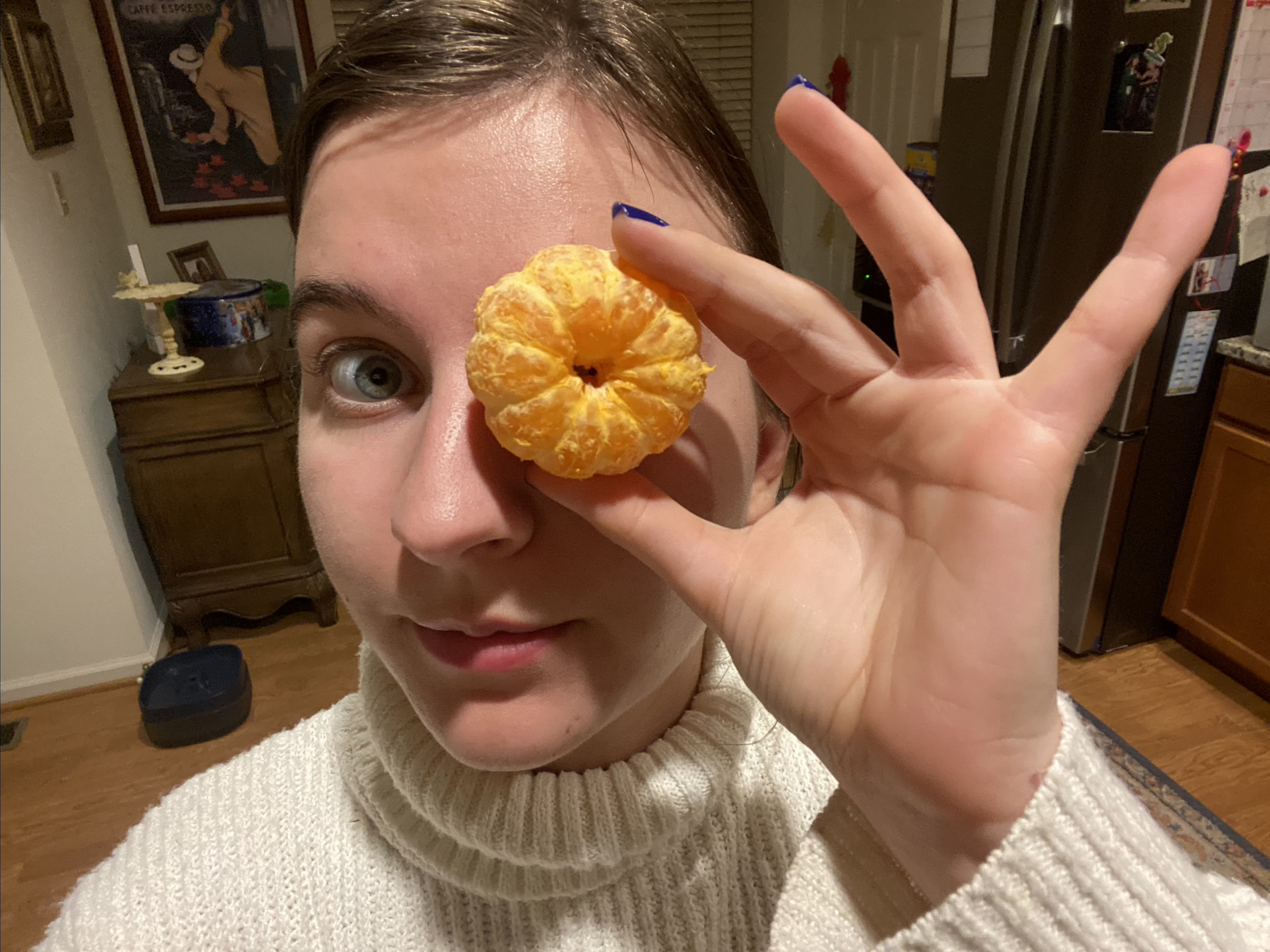
…you are ready to have your life and identity flipped on its head and dunked in the ocean repeatedly.
Jonna Lynn Nielsen ’27
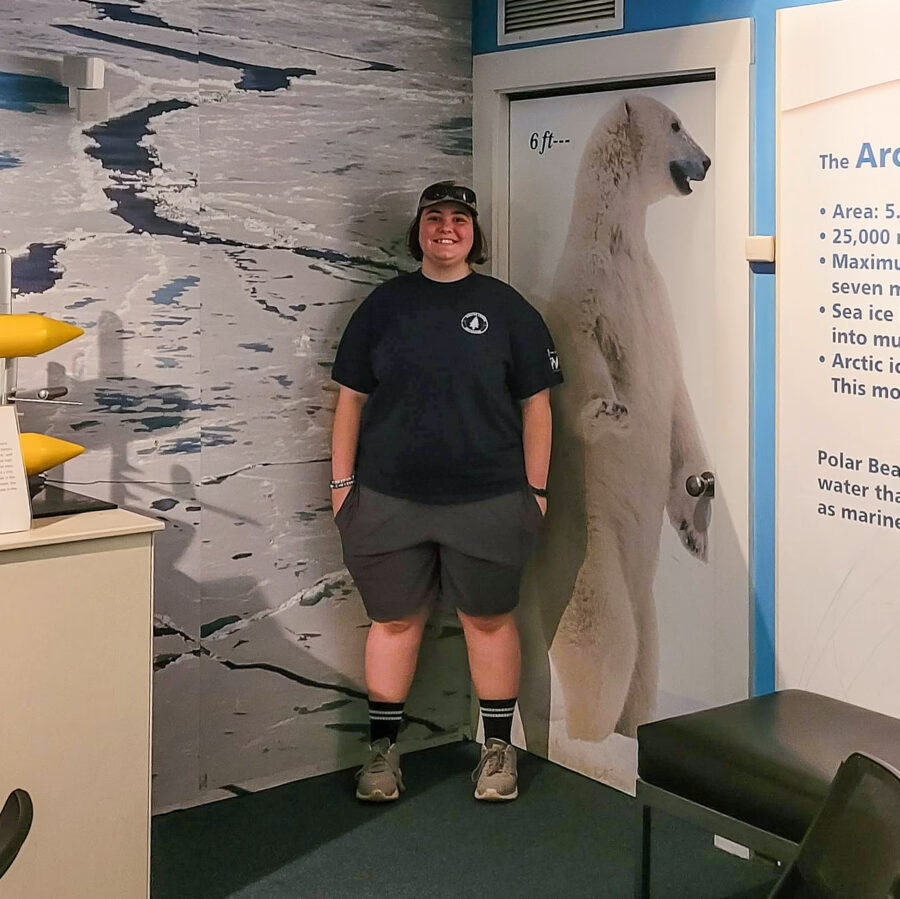
…you don’t know what you want to study because you have far too many interests to just focus in on one of them.
Wilson Korneev ’28
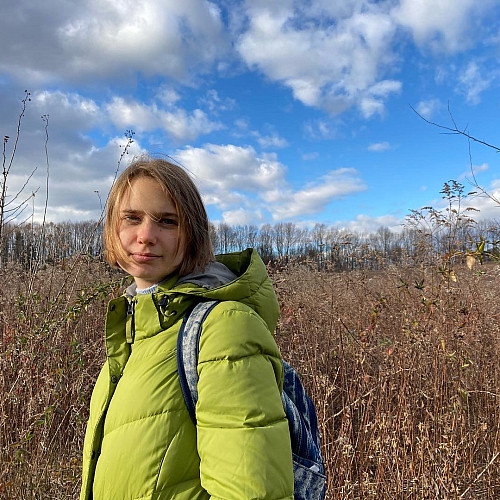
…you want to be in a small community where people will remember your name.
Alya Kiiashko ’25

…you have an open mind, enjoy small communities, and want a well-rounded (however unconventional) education experience.
Seth Sears ’28
…you want to meet politically, emotionally, and academically engaged people.
Alder Ame ’27
…you think being sent to the oceanside to improve your mental health actually sounds awesome (it totally is).
Carolina de Oliveira Castro ’26
…you are passionate about the natural world and want to study it and love spending time outside.
Conrad Kortemeier ’26
…you want to be surrounded and inspired by people who are excited about niche subjects, and by people who are still figuring out what they’re doing.
Marina Schnell ’25
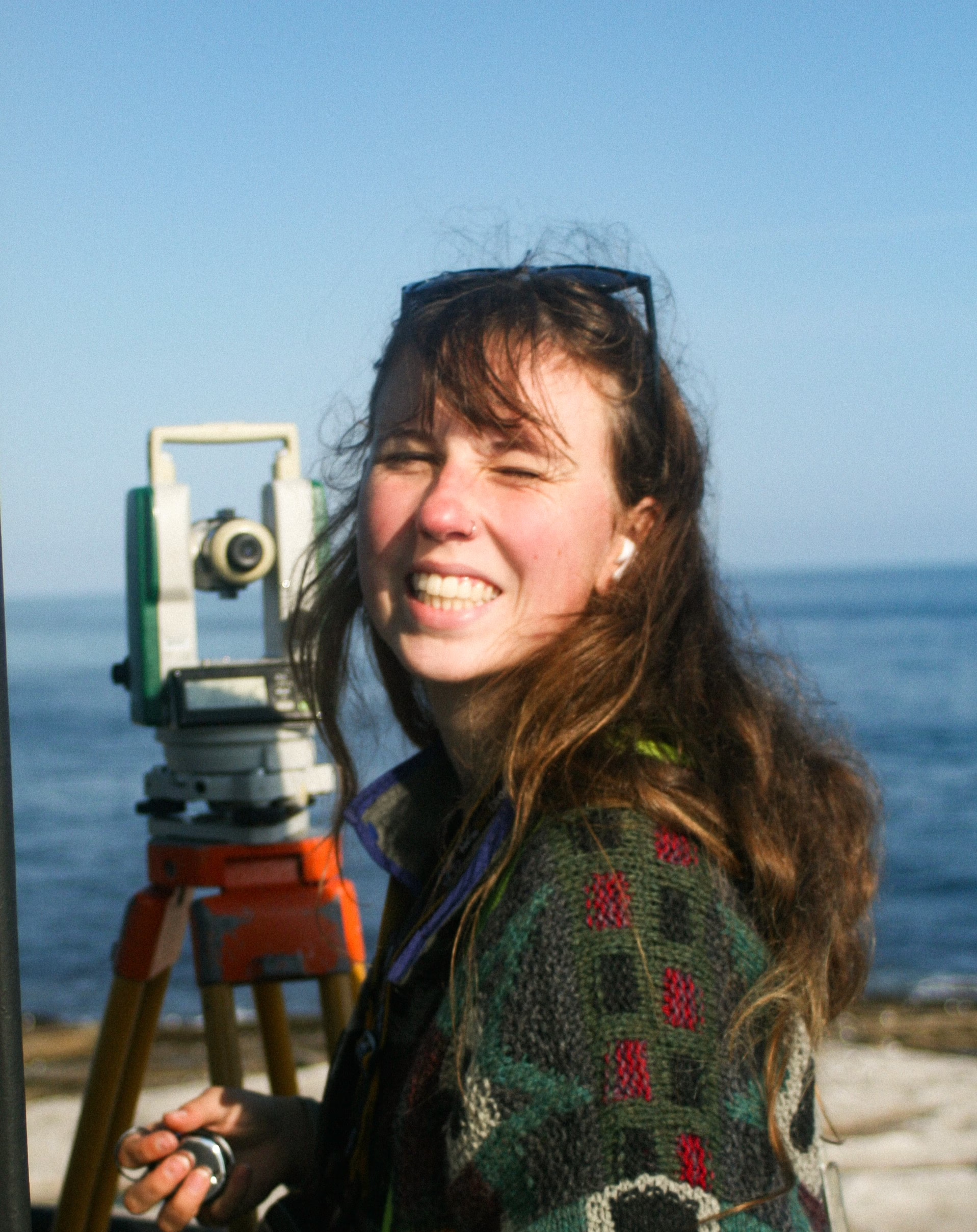
…you can’t choose between the mountains and the sea.
Megan Maloney ’26
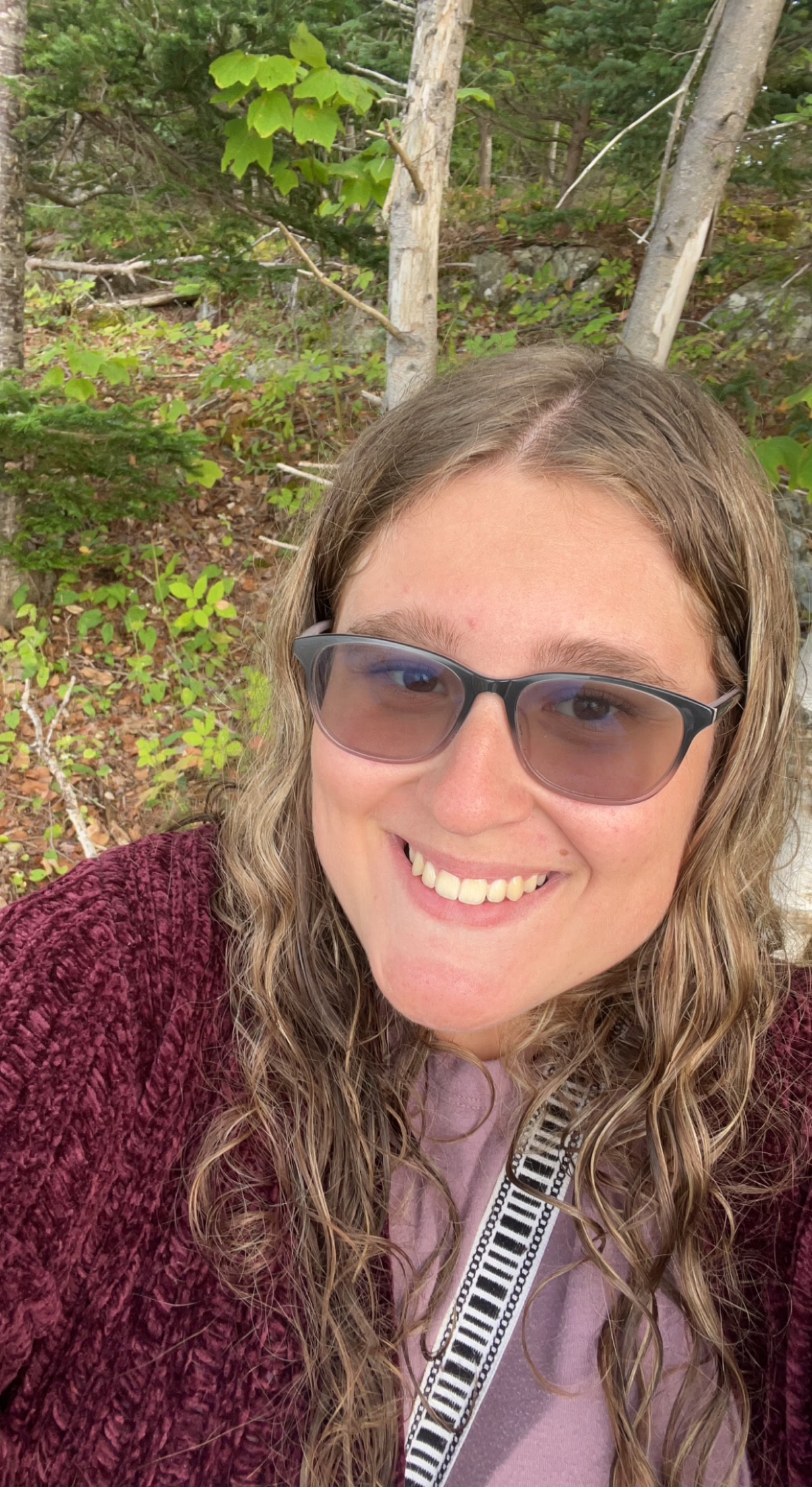
…you want freedom in your class structure.
Andie Piliouras ’26
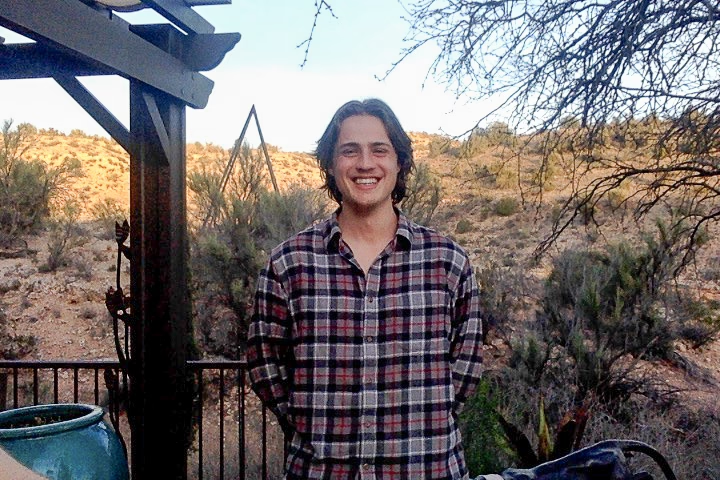
…you want small, intentional community.
Conlan Lamb ’28
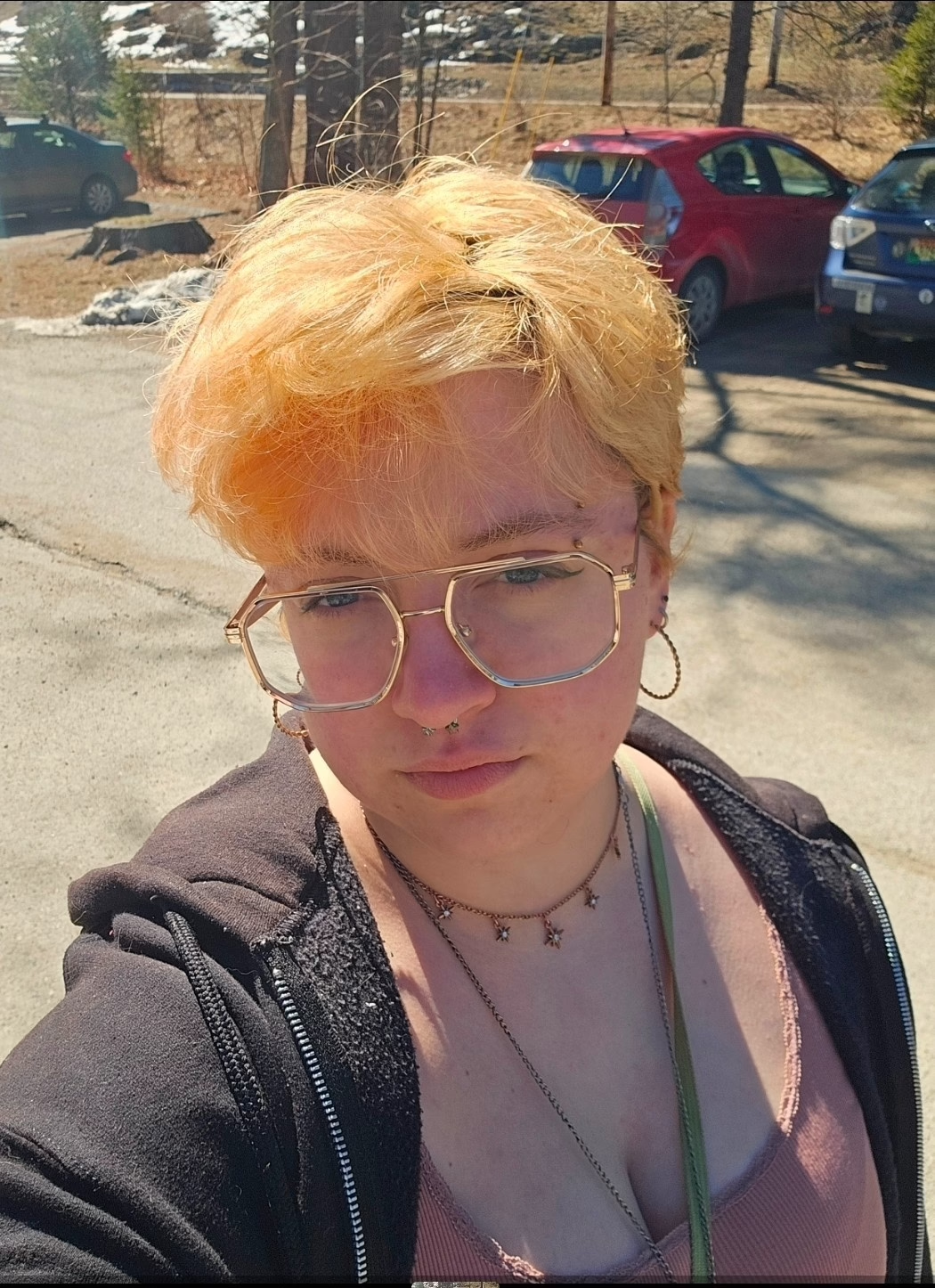
…you want to expand your perspective and knowledge of the world around you, and gain valuable connections from all around the world!
Trinket Lester ’28
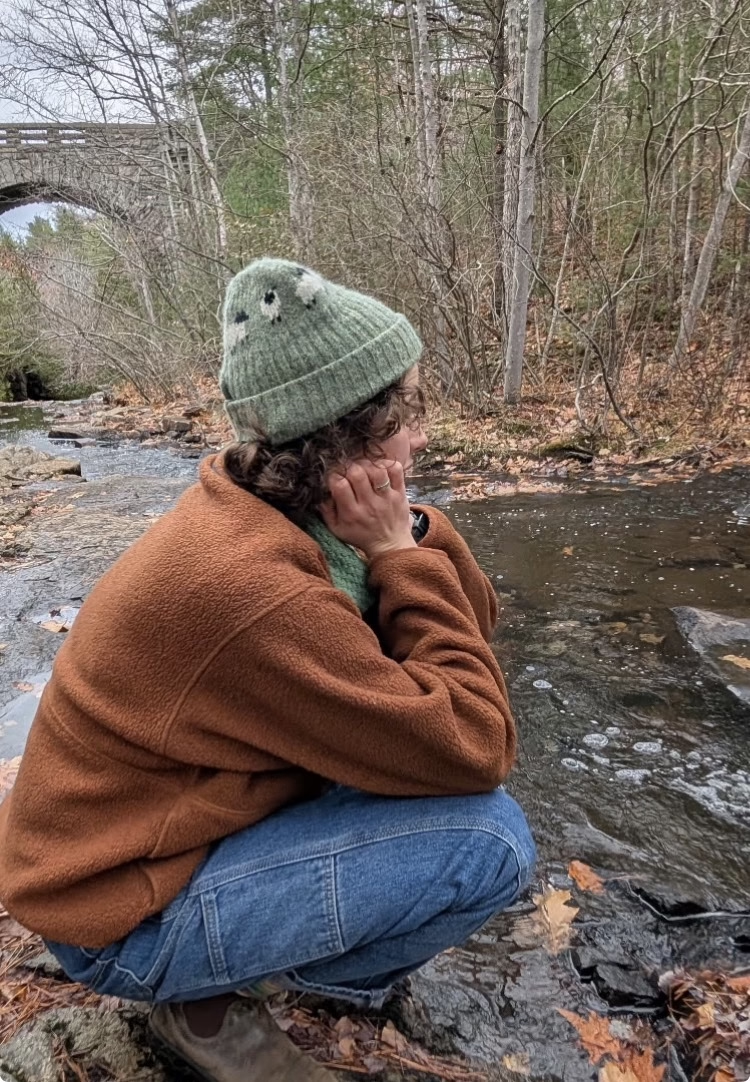
…you question the answers to your questions, challenge the status quo, and seek tranquility in the heart of the spruce-fir forests.
Greta Bernier ’27

…you have the desire to choose your own path to a degree.
Béatrice St-Louis ’28